Building Climate-Resilient Education Systems for Children and Youth in East and Southern Africa
Background
Climate change is increasingly disrupting education systems worldwide, with particularly severe impacts in East and Southern Africa. Extreme weather events, including droughts, floods, cyclones and heatwaves, are damaging infrastructure, interrupting schooling, and affecting millions of children across the region.
Countries such as Mozambique, Malawi, Kenya and South Africa have experienced recurrent climate shocks, leading to school closures, displacement of learners and long-term educational disruption. These impacts disproportionately affect vulnerable groups, including girls, children with disabilities and those living in poverty.
At the same time, education systems play a critical role in building adaptive capacity by equipping children and youth with the knowledge and skills needed to respond to climate change. Integrating education into the National Adaptation Plan (NAP) process, established under the UNFCCC Cancun Adaptation Framework, offers a key opportunity to strengthen resilience while advancing inclusive, country-driven adaptation planning.
While historically underrepresented in climate policies, the education sector is increasingly being incorporated into NAPs. Strengthening this integration is essential to protect the right to education and to support long-term climate resilience in the region.
Objectives
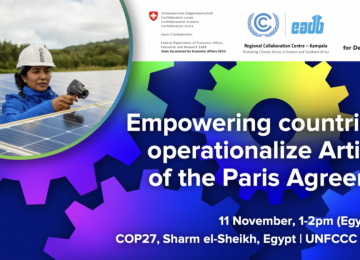
The webinar, co-organized by the UN Climate Change Regional Collaboration Centre of East and Southern Africa (RCC EASA), Save the Children and the NAP Global Network, aims to strengthen the capacity of stakeholders in East and Southern Africa to effectively integrate education into National Adaptation Plan processes.
Specific objectives include:
Sharing the current status of education integration in NAPs across the region.
Identifying entry points for incorporating education into NAP formulation and implementation.
Highlighting regional case studies and emerging good practices.
Exploring barriers and opportunities for mainstreaming education into adaptation planning.
Fostering collaboration among climate and education stakeholders.
Target audience
The webinar is designed for:
Policymakers and government officials from ministries of education, environment and planning.
National Designated Authorities (NDAs) and climate change focal points.
Education stakeholders, including teachers, administrators and training institutions.
Youth representatives, civil society organizations and NGOs.
International partners and development organizations.
Key takeaways and outcomes
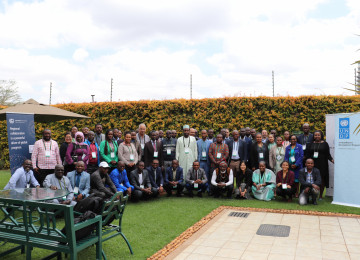
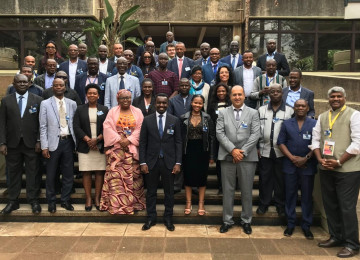
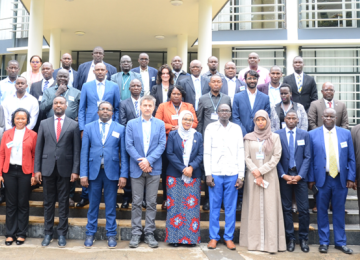
The regional webinar on Integrating Education into National Adaptation Plans (NAPs) – Building Climate-Resilient Education Systems for Children and Youth in East and Southern Africa convened 120 participants from governments, UN agencies, civil society organizations, academic institutions and youth networks across East and Southern Africa. Discussions confirmed a shared understanding that climate change is already disrupting education systems at scale and that education must be systematically integrated into national adaptation planning to protect learning continuity and strengthen long-term resilience.
Presentations highlighted that the NAP process provides a strategic framework for addressing climate risks affecting education, prioritizing adaptation actions, and mobilizing financial and institutional support. While education is increasingly referenced in NAPs, speakers noted that it often remains insufficiently prioritized, inadequately costed and weakly coordinated, limiting effective implementation.
Key takeaways from the presentations and panel discussions included:
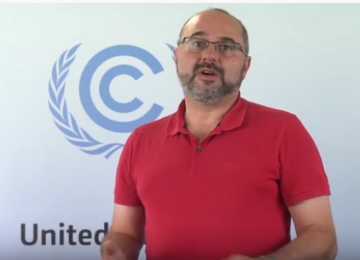
Education as a core adaptation priority. Speakers emphasized that education is both highly vulnerable to climate impacts and essential for resilience-building. As noted by the Regional Lead at RCC EASA, “Education is one of the sectors most affected by climate change, yet it remains underrepresented in adaptation planning. When education is absent from NAPs, adaptation efforts remain incomplete.”
Clear entry points across the NAP process. Technical presentations highlighted practical opportunities to integrate education throughout all phases of the NAP process, including climate risk and vulnerability assessments, planning and costing, implementation, and monitoring, evaluation and learning. Participants stressed the importance of aligning these efforts with existing education sector plans and budgeting processes.
Evidence-based planning strengthens integration. Drawing on country experiences such as Malawi and Zimbabwe, panelists noted that education-specific climate risk assessments can strengthen the case for positioning education as a national adaptation priority. As one panelist observed, “The NAP process can set out a national commitment to adaptation in the education sector, but this must be grounded in solid evidence.”
Institutional coordination is essential for implementation. Discussions underscored the importance of early and sustained engagement of Ministries of Education in NAP coordination mechanisms. Ms. Leonora from UNESCO highlighted that “Ministries of Education need to be equal partners from the outset of the NAP process, not an add-on, if adaptation actions are to be implemented and financed effectively.”
Children and youth participation improves relevance and effectiveness. Several speakers emphasized that adaptation planning becomes more effective when informed by children’s lived experiences. Mr. Malama from Save the Children noted that “When children’s lived experiences shape national adaptation plans, education adaptation becomes more targeted, more credible and more effective.”
Financing and costing remain critical challenges. Speakers consistently highlighted the limited inclusion of costed education actions in NAPs as a major barrier to implementation. Ms. Leeya from UNICEF emphasized the strong investment case for education adaptation, noting that “Strengthening schools to withstand climate shocks can generate up to 13 dollars in benefits for every dollar invested.” Participants stressed that positioning education as climate-relevant and investment-ready is essential to unlock both domestic and international climate finance.
Overall, the webinar strengthened regional momentum towards education-inclusive, implementation-ready and climate-resilient NAPs that protect learning continuity and support long-term adaptive capacity.