Background
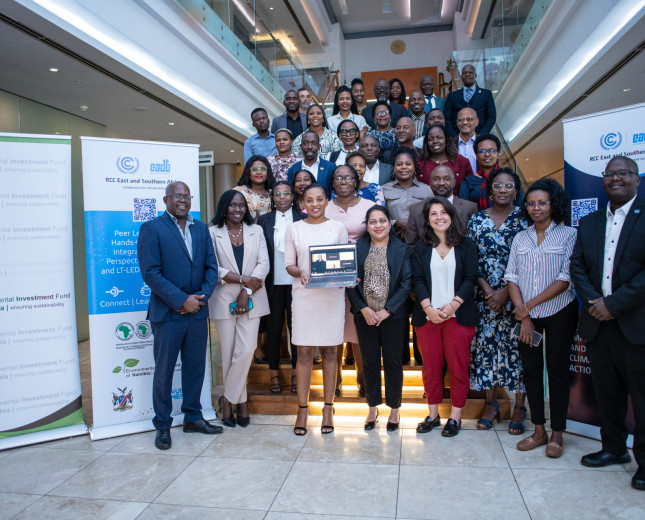
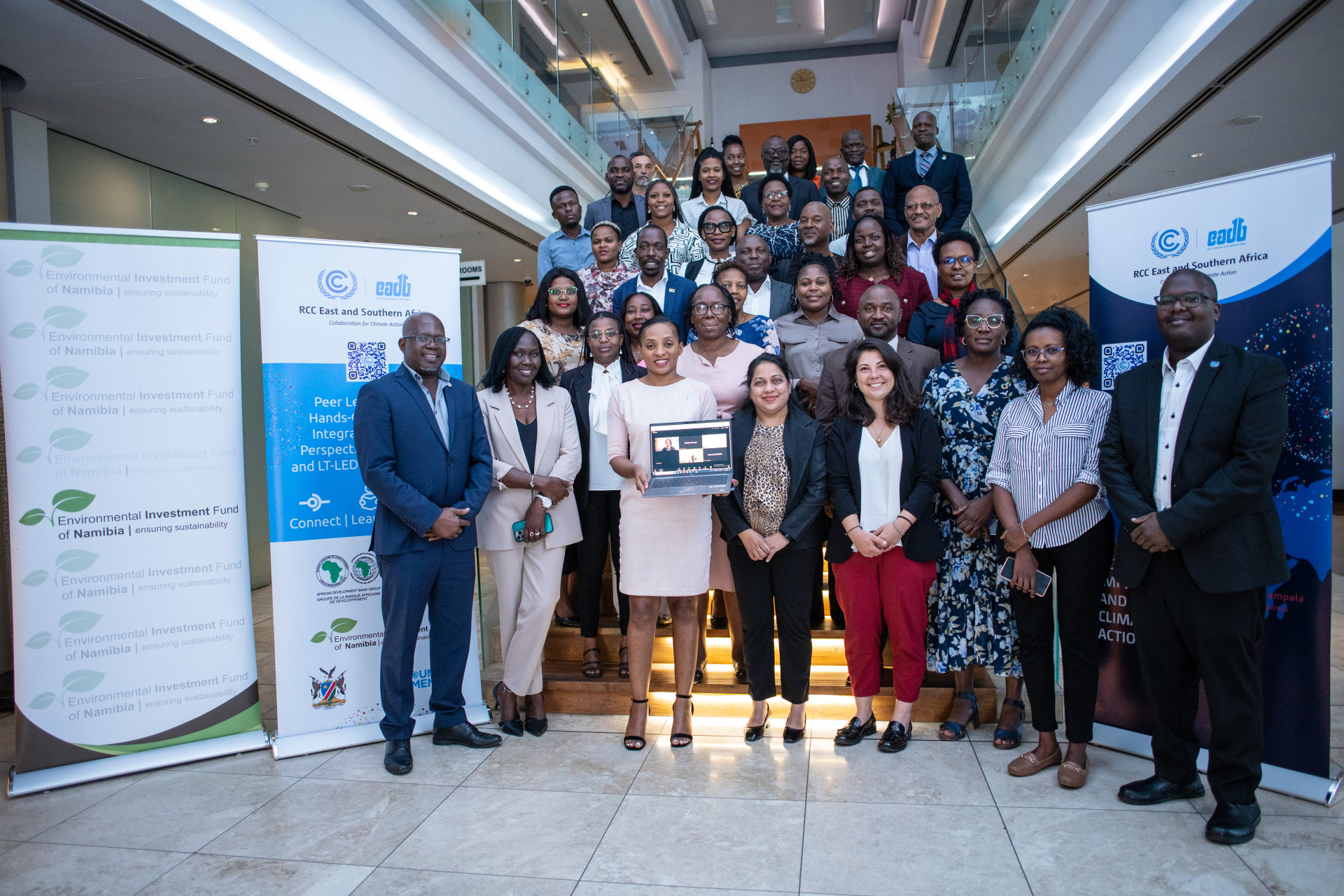
From November 28th to 30th, the UNFCCC Regional Collaboration Center for East and Southern Africa, in collaboration with UN Women, delivered a transformative 3-day workshop in Windhoek, Namibia.
The event focused on integrating gender into Nationally Determined Contributions (NDCs) and Long-Term Low-Emission Development Strategies (LT-LEDS).
The workshop was hosted by Namibia’s Ministry of Environment, Forestry and Tourism (MEFT) and the Environmental Investment Fund (EIF), with funding support from the African Development Bank.
This is the fourth workshop that has been organized under the Capacity Building project for Women and Gender climate change negotiators in East and Southern Africa.
To watch the workshop:
Day one
Passcode: ciwX%Mx1
Day two
Passcode: cnj6=is=
Day three
Passcode: ruc?e97A
Objectives
The aims of the peer exchange and learning workshop was to:
- Use the methodology prepared by UN Women - a step-by-step methodology to integrate gender in LT-LEDS as a case study to draw lessons that can be applicable in the participants’ countries
- Increase participants' knowledge and understanding that will enable them formulate gender issues into climate policies
- Encourage collaboration and peer learning across countries in East and Southern Africa to support the integration of gender in climate instruments
Outcomes
- Enhanced Understanding and Knowledge of Gender Integration
- Participants developed a deeper understanding of the step-by-step methodology for integrating gender into LT-LEDS
- Increased awareness of the importance of addressing gender considerations in NDCs, LT-LEDS, and other climate policies and instruments
- Participants gained practical tips, tools, and knowledge to identify and address gender-related issues in climate policies
2. Actionable Insights and Best Practices
- Participants drew lessons from the Burkina Faso case study and methodology, identifying actionable insights that can be adapted to their respective country contexts
- Enhanced capacity to recognize and articulate the linkages between key gender concepts (e.g., gender-responsive and gender-transformative approaches) and the intersection of gender and climate change
3. Improved Collaboration and Peer Learning
- Strengthened networks among stakeholders across East and Southern Africa working on gender integration in NDCs and LT-LEDS
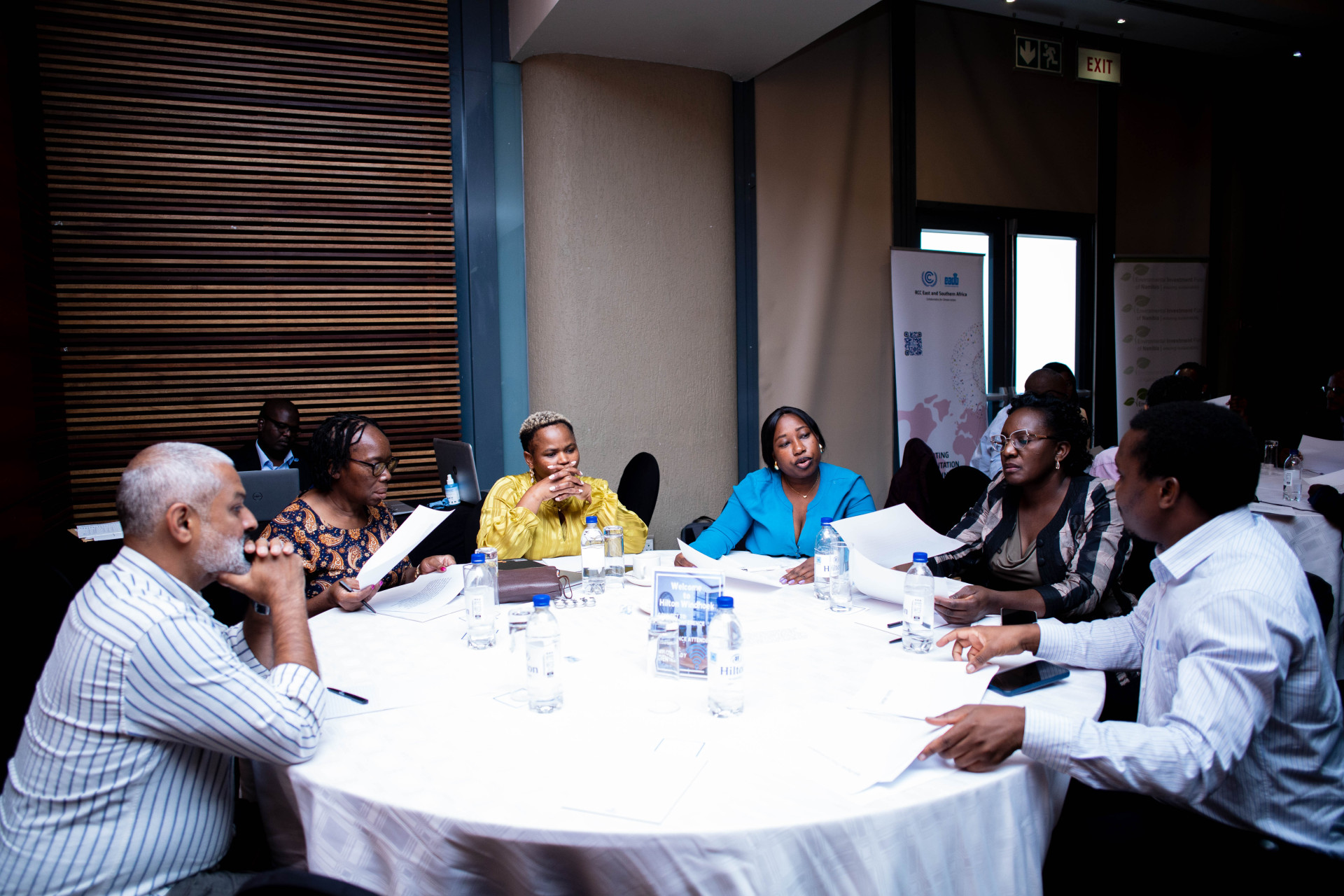
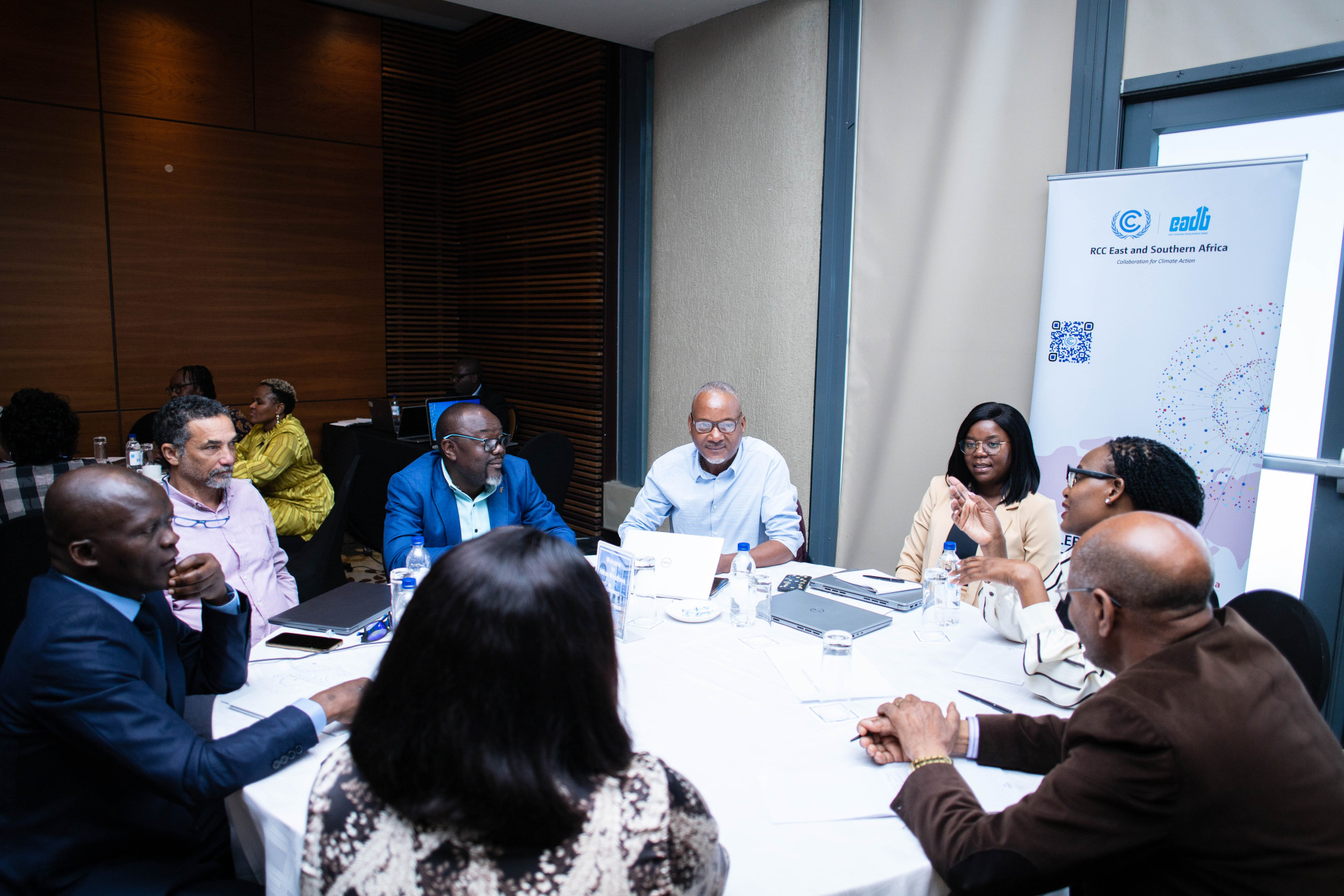
- Facilitated opportunities for peer learning and knowledge exchange, particularly through group discussions on successful gender integration practices and country-level success stories
4. Practical Outputs for Gender Integration in NDCs and LT-LEDS
- Drafted country-specific roadmaps for integrating gender considerations into NDCs and LT-LEDS
5. Enhanced Knowledge on Gender Issues and Concepts
- Participants gained increased confidence and expertise to advocate for gender inclusion in NDCs, LT-LEDS, and climate strategies
- Strengthened capacity to engage meaningfully in policy discussions, negotiations, and decision-making processes related to gender and climate change
What's next
The workshop facilitated peer-to-peer learning, with country representatives presented findings on gender gaps in their NDC sectors and proposing actions for the next round of NDCs. The Regional Collaboration Centre for East and Southern Africa (RCC EASA) will review all outputs to develop final draft guides for participating countries.
Credit: UN Climate Change
|
Credit: UN Climate Change
|
Credit: UN Climate Change
|
Credit: UN Climate Change
|
Credit: UN Climate Change
|
Credit: UN Climate Change
|