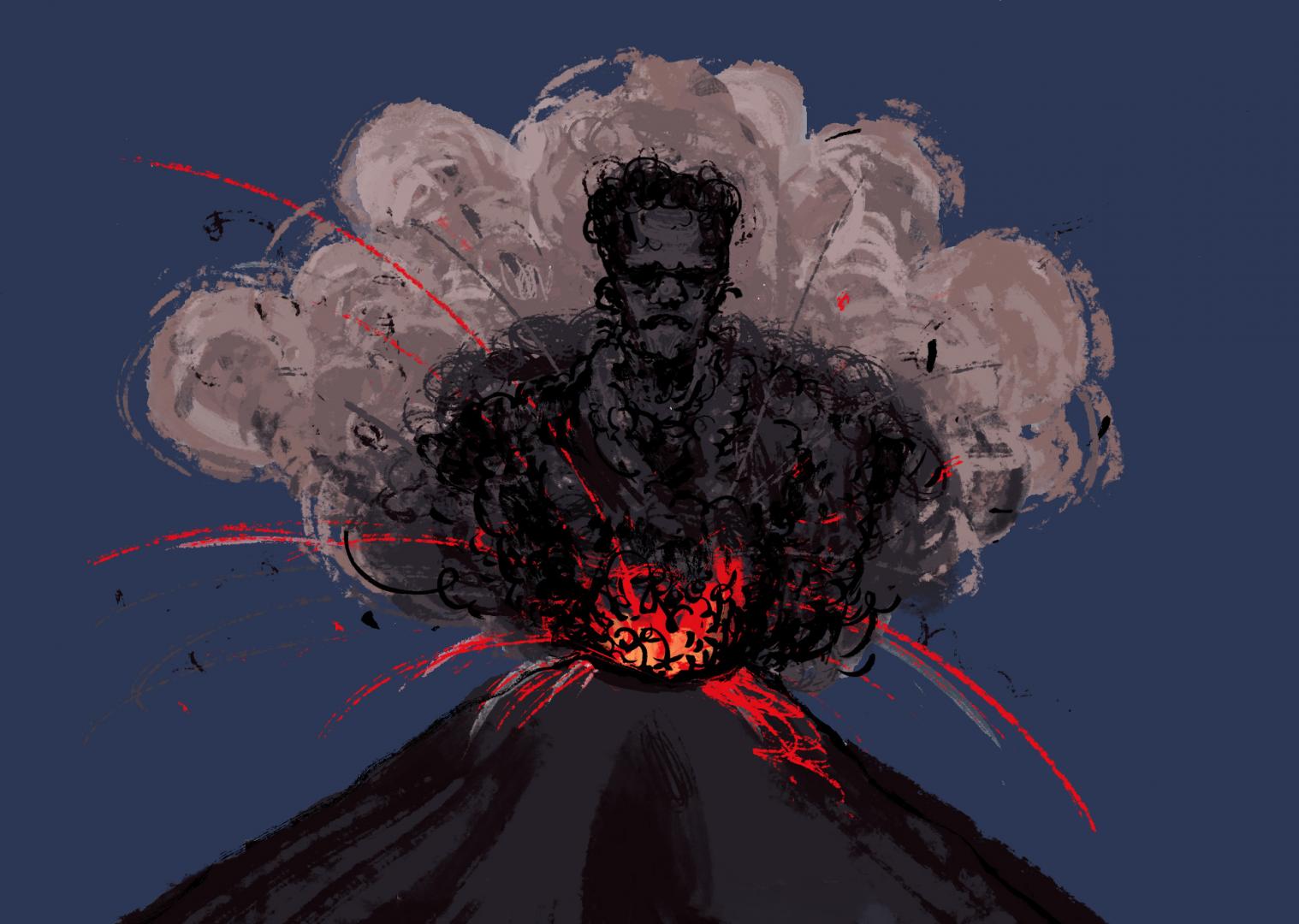
More than 200 years ago (1815), volcano ‘Tambora’ erupted in Indonesia. The eruption was horrific, it was 170 thousand times stronger than the Hiroshima atomic bomb. The effects were felt across the world. The dust spread across the planet and one year later, it darkened the atmosphere, also in Europe. That is why 1816 was called “the year without summer”, as it was cold, rainy and dark. As the weather forecasts had not seen this coming, people still had summer holiday plans and this is what this story is about.
Lake Geneva was a meeting point of a smart crowd, who usually did long hikes in the beautiful surroundings. They were called Mary Wollstonecraft Godwin, Percy Shelley, Lord Byron, Claire Clairmont and John William Polidori. This meeting point, ‘Villa Diodati’, still exists to date. In 1816, however, nothing came of the planned hikes as the weather was just too bad, so everyone stayed in the beautiful Villa. What to do now? To pass the time, Lord Byron suggested to come up with horror stories, which was not a bad idea. For inspiration, the consumption of certain opium tincture was very welcome. This is what inspired world literature after all. Mary came up with the story of “Frankenstein – or the modern Prometheus” and Polidori wrote a first draft of a vampire story, which later on made Bram Stoker a literary icon. Both works are great contributions to the criticism of civilization and the human presumption of being able to solve everything.
Please excuse my shortened discourse, but essentially, weather and climate are catalysts for great cultural goods and also encourage thought and considerations on the human intrusion into complex nature. The monster in Viktor Frankenstein’s book does not feel loved and takes revenge during a spectacular show-down in the arctic. This became his creator’s downfall…. At least one lesson-learned coming from so-called “bad weather” is that people should learn to love.