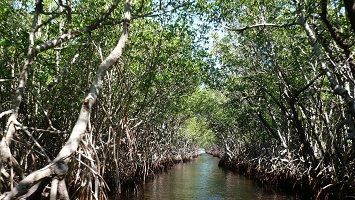
Climate-smart agriculture and nature-based solutions, such as carbon sequestration through mangroves, are crucial means of dealing with the accelerating impacts of climate change - but people particularly in developing countries need more information and capacity to effectively take action.
This was the key conclusion of an expert meet during the Middle East and North Africa (MENA) Climate Week which took place last month. The MENA region is one of the most affected by climate change impacts, facing climatic challenges such as low rainfall, high temperatures and dry soil. Climate change is expected to put significant strains on already scarce water and agricultural resources. Responding to the knowledge and resilience needs through tailored information for knowledge users is crucial to implementing adaptation action in this region.
To read more about adaptation efforts and on LAKI in the MENA region (GCC and NA subregions), see this
UNFCCC Newsroom Article.
Image credit: Ravini / Pixabay