Credit: CliMates
Recording
Organizers
CliMates, ATSIIEO, Young Environmentalists Programme Trust, Youth Peace & Leadership Organization and Nisarg Foundation
Background
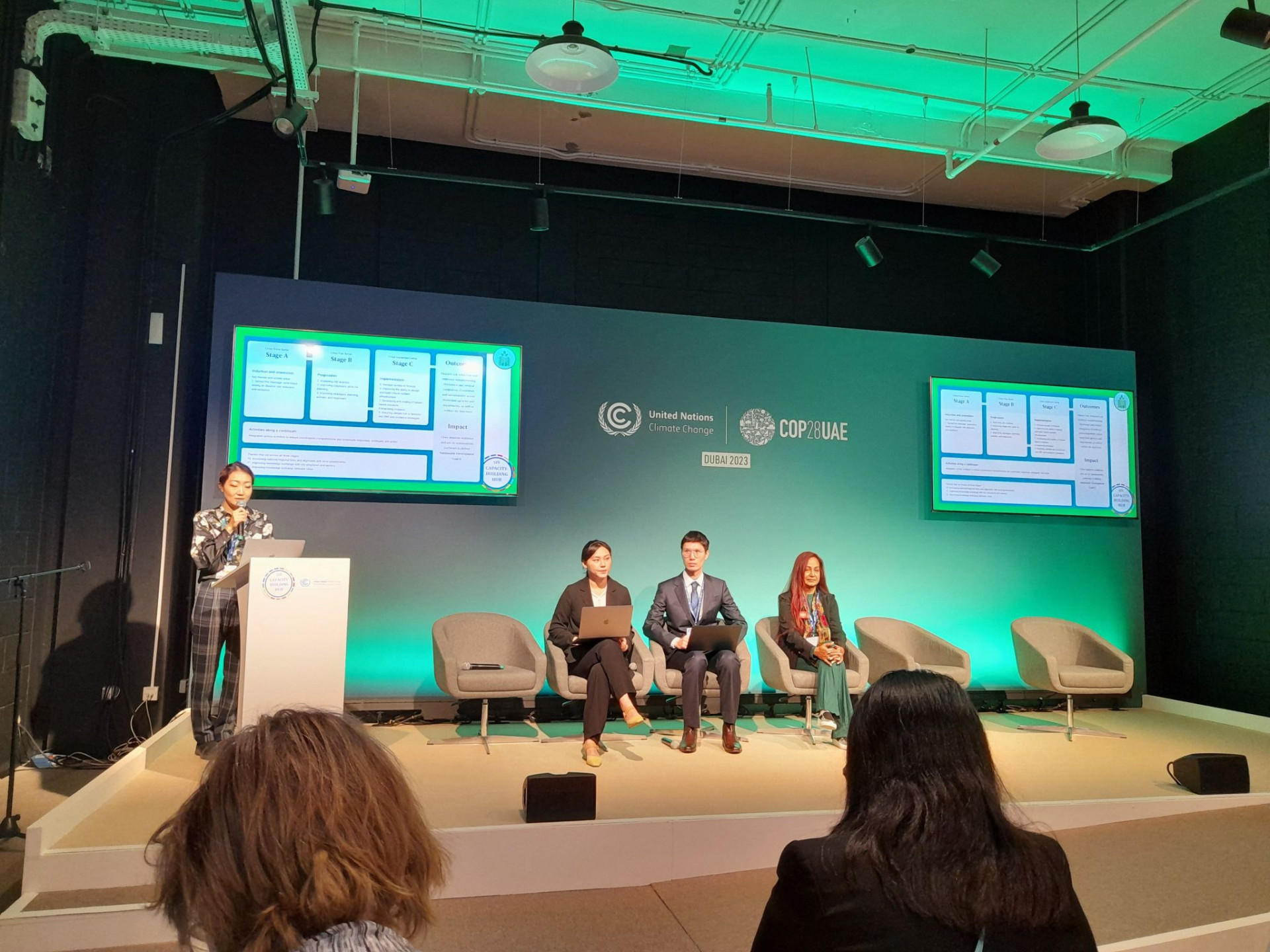
This session aimed to showcase the building of Resilient Cities by promoting nature-based approaches, sharing knowledge and experiences, establishing mutually reinforcing city-to-city networks for information exchange and interaction, providing technical expertise by means of digitalized solutions, breaking down silos across departments for improved transparency, connecting governments at all levels, and international strategic partnerships.
The utmost importance of establishing Resilient Cities and strengthening the linkages between cities is to reduce climate-related risks, improve urban resilience, and advance well-being in the long run for socioeconomic and ecological co-benefits.
To explicitly clarify the conceptual framework, pinpoint the challenges that cross-stakeholders face while developing, implementing, and monitoring the Resilient Cities multifunctional systems, and bring out the best in the mechanism.
Objectives
-
Promoted public awareness raising events across multi-layer communities and foster a holistic perspective of resilient cities to achieve the goals outlined in the Paris Agreement and SDG11 for more synergies.
-
Highlighted the potential of city designers, dwellers, and academics worldwide to develop, implement and monitor digital urban management systems that are integrated with nature-based approaches.
-
Supported climate stakeholders in becoming qualified for designing and building critical resilient infrastructures against hazardous risks not at the expense of city views to further boost tourism and peripheral industries.
-
Empowered youth and women to proactively participate in the decision-making process of climate actions, including mitigation strategies and national adaptation plans.
-
Appealed to possible resolutions for better inclusion, biodiversity conservation and access to green funds through North-South Dialogue and South-South cooperation such as the PCCB network.
Structure
| Time |
Segments & Speakers |
| 5 mins |
Indigenous knowledge on climate change adaptation: its role in building resilient cities
Speaker- Jesse Martin
|
| 7mins |
Girl Power - Improving urban residents' awareness on disaster risk reduction via game-based education
Speaker- Qiqi Feng
|
| 5 mins |
South Sudan – Peacebuilding for a resilient, inclusive and sustainable city
Speaker-Chengkuac Awan
|
| 7 mins |
Residents' perceptions of urban green infrastructure: a study of Canberra, Australia
Speaker-Zirui (Jerry) Yao
|
| 12 mins |
Best resilience city construction case studies in North America and India
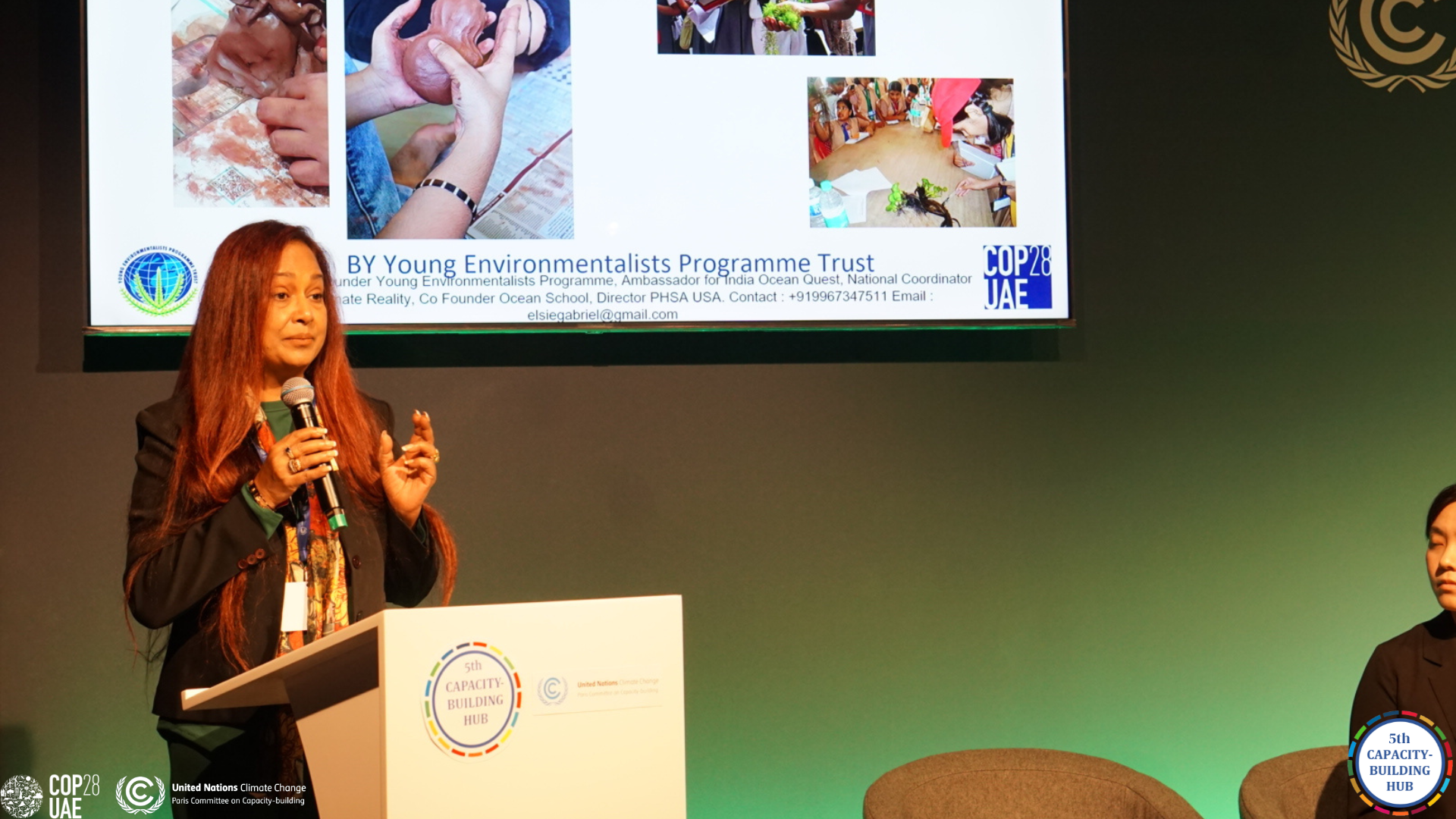
Speaker-Elsie Gabriel
|
| 7 mins |
Youth leadership to help build resilient cities: analysis of current policies and initiatives
Speaker-Vikrant Srivastava
|
Key Outcomes
Case studies, best practices, and co-benefits of following Make Cities Resilient 2030 (MCR) through 3 stages (i.e., cities know better, cities plan better and cities implement better) and incorporating nature-based solutions into real-world scenarios. The stories of cities in China, South Sudan, Australian indigenous groups, Australia and India are well told to the broad audience.
Resources
Presentation slides
CliMates LinkedIn
Youth climate action project
Aboriginal and Torres Strait Islander International Engagement Organization (ATSIIEO) LinkedIn
Young Environmentalists Programme Trust:
Eco Ganesha made from water hyacythns, a most noxious invasive aquatic weed
Mumbai: Young Environmentalists Create Eco-Friendly Ganeshas Using Earth, Silt From Powai Lake And Mithi River
Youth Peace & Leadership Organization LinkedIn
Nisarg Foundation