

The inclusion of Dynamic and Resilient Health Systems in the COP31 Presidency’s ten priority themes signals growing recognition that health is both a frontline impact of climate change and a foundation for effective climate response. Resilient health systems help countries anticipate, prevent and respond to climate-related health risks while advancing equity, continuity of care and long-term social resilience.
The dedicated COP31 Health Day took place on the first day of the Conference, today, coinciding with the thematic priorities on Food and Agriculture.
Speaking at the Health Day Ministerial Roundtable Meeting, UN Climate Change Executive Secretary Simon Stiell said health belongs at the heart of climate action.
“We need country-led programmes to build resilient health facilities, powered by clean power and enough clean water, protected by better surveillance and early warnings, with workers trained for the risks that are already here,” said Stiell.

Climate action by cities, regions, businesses and civil society continues to drive implementation, with progress made on 44 global indicators aligned with the first global stocktake. This is one of the key findings of the 2026 Yearbook of Global Climate Action, launched by UN Climate Change today.
“This Yearbook shows how businesses, cities, communities, and more are turning global commitments into change that people are seeing, feeling and benefiting from,” said UN Climate Change Executive Secretary, Simon Stiell. “But we can and must go much further, faster. COP 31 must help scale up solutions, mobilize finance and bring the benefits of climate action to many more people.”
Celebrating the 10 years of the Marrakech Partnership for Global Climate Action, the 2026 Yearbook comes at an important moment, as COP 31 is expected to have a strong focus on driving real-economy progress through the Global Climate Action Agenda, in parallel with – and complementary to – the progress needed through formal negotiations.

As well as the official opening, today at CO31 in Antalya is also focused on health, food and agriculture.
The World Meteorological Organization released its State of the Climate Update 2026 at COP31 this afternoon, with details of climate indicators like temperatures, ocean heat and sea level, and extreme weather. It shows impacts on health and food security, especially in light of the record El Niño.
The report was launched at a press conference with WMO Secretary-General Celeste Saulo, UN Climate Change Executive Secretary Simon Stiell and Wellcome’s Director of Climate and Health Alan Dangour.
The WMO Secretary-General's statement, press releases in all languages, the full report and digital assets are available here.
Press materials from Wellcome are available here, including: further quotes, health experts available for interview + media contacts, a digital resource hub which includes the survey data and methodology, and other key scientific facts, including that every 1C rise in temperatures correlates with: a 5% increase in premature births, and a 7% increase in gestational diabetes.




Türkiye will host the Conference and Mr. Murat Kurum has been nominated as President of COP31 in Antalya. Mr. Chris Bowen of Australia will be the President of Negotiations.
UN Climate Change Conferences (or COPs) take place every year, and are the world’s only multilateral decision-making forum on climate change that brings together almost every country on Earth.
To put it simply, the COP is where the world comes together to agree on the actions to address the climate crisis, such as limiting the global temperature rise to 1.5 degrees Celsius, helping vulnerable communities adapt to the effects of climate change, and achieving net-zero emissions by 2050.
COP31 will bring together world leaders and negotiators from the member states (or Parties) of the UN Framework Convention on Climate Change (UNFCCC) to further global progress, with business leaders, young people, climate scientists, Indigenous Peoples, and civil society sharing insights and best practices to strengthen global, collective and inclusive climate action.
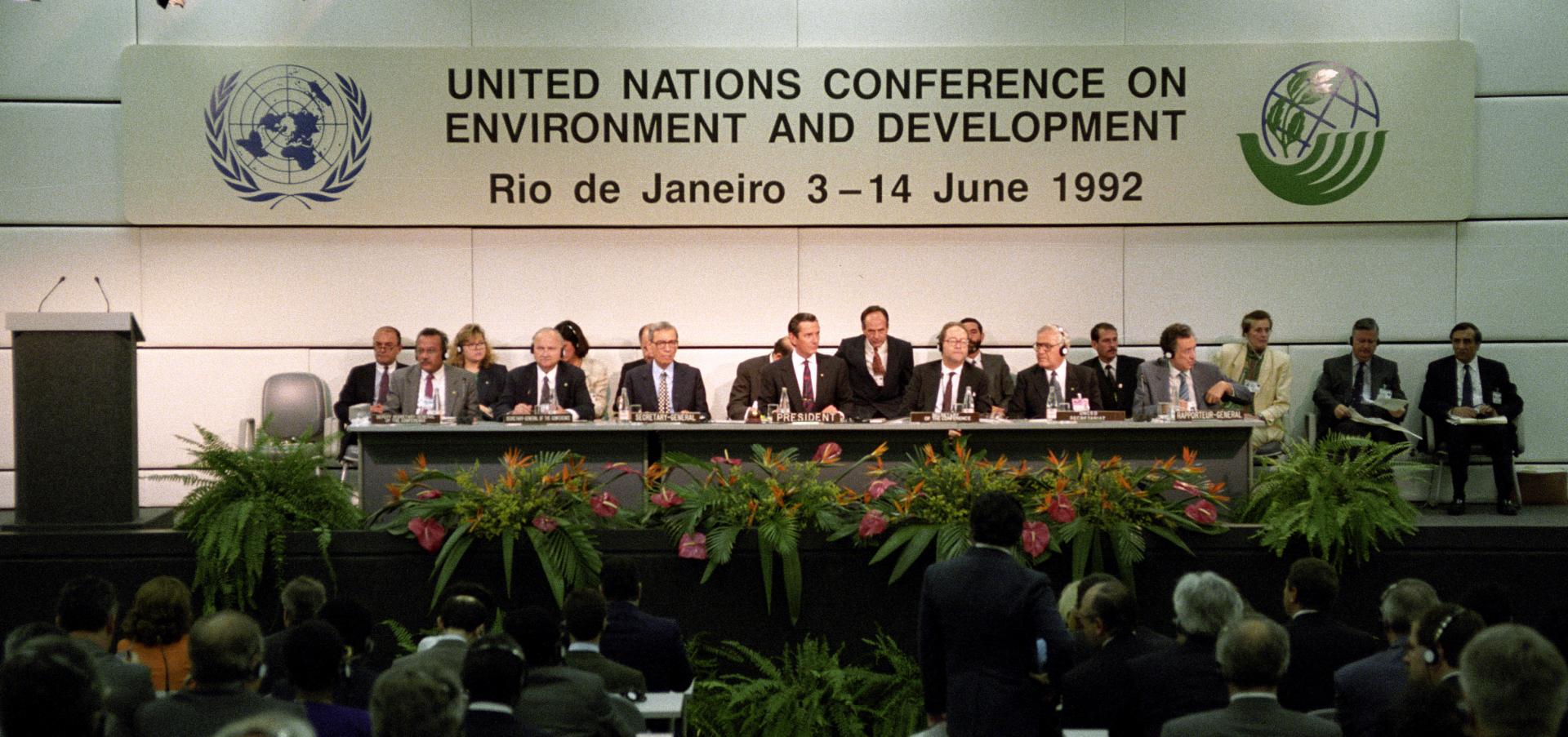
Officially, COP31 stands for the 31st meeting of the Conference of the Parties (COP) to the UN Framework Convention on Climate Change (UNFCCC), a landmark international treaty agreed in 1992, and parent treaty to the 2015 Paris Agreement.