


UN Climate Change is the United Nations body responsible for supporting and driving forward the global response to climate change.
It works across three core functions:
Custodian
As custodian of the world’s three major legal instruments aimed at containing global heating and its worsening impacts on people, prosperity and planet:
- The UN Framework Convention on Climate Change
- The Kyoto Protocol
- The Paris Agreement
Nearly every nation on Earth – almost 200 – are signatories (or ‘Parties’) to these binding legal agreements. Collectively they have driven forward major global progress, notably – bringing down projected global temperature rise from unsurvivable levels of up to 5°C to now around half of that level, although much more progress is still needed.
Convenor
As the world’s convenor of nearly all nations – represented by their national governments – to tackle global heating and its impacts. Along with national governments, UN Climate Change also brings together other important stakeholders such as industry and civil society groups, and sub-national governments from cities and regions.
Convening activities culminate each year at the UN Climate Conference, known for short as COP – or the Conference of the Parties to the UNFCCC, where new commitments and actions to deliver them are negotiated and agreed. The COP takes place in a different host country each year, which is decided on a rotating basis by the Parties to the Convention.
Catalyst
As a catalyst helping governments and other stakeholders to deliver stronger, faster and more inclusive climate actions, by supporting international negotiations, providing trusted data and analysis, and helping countries design and deliver climate actions that benefit their people and economies. UN Climate Change helps to build stronger human, technological and institutional capacities, and interlinkages that support stronger implementation of pledges.
It also works to boost transparency of climate actions, helping to build ever-stronger evidence base for stronger climate policies and actions. This is also important to help humanity keep track of its progress, relative to the latest globally agreed climate science.
These core functions are deeply interdependent, and are based on many different mandates – or directives – from all Parties, who hold ultimate authority and responsibility for the intergovernmental climate change process, and the outcomes of each COP.
UN Climate Change is also known as the UNFCCC secretariat, and is based in Bonn, Germany, with six Regional Collaboration Centres supporting governments and other stakeholders, across all regions of the world.
THE CONVENTION
The UN Framework Convention on Climate Change is a legally binding international treaty which provides a cooperative framework for the nations of the world to protect humanity and our shared planet from the existential threat of climate change.
It was agreed at the Rio Earth Summit in Brazil in 1992, and entered into force in 1994.
There are currently 198 Parties to the Convention.
THE PARIS AGREEMENT
The Paris Agreement is a landmark legally binding international treaty on climate change – the first to include nearly all nations on earth in a collective pledge to tackle global heating and its worsening impacts.
It was adopted by 195 Parties at the UN Climate Change Conference (COP21) in Paris, France, in December 2015, as a treaty under the UNFCCC framework. It entered into force in November 2016.
When it was first agreed in 2015, it aimed to hold “the increase in the global average temperature to well below 2°C above pre-industrial levels” and pursue efforts “to limit the temperature increase to 1.5°C above pre-industrial levels.”
However, in recent years, all nations in the Paris Agreement have repeatedly agreed and explicitly emphasized at recent COPs their commitment to limiting global warming to 1.5°C by the end of this century.
That’s because the UN’s Intergovernmental Panel on Climate Change (IPCC) indicates that permanently crossing the 1.5°C threshold risks unleashing far more severe climate change impacts, including more frequent and severe droughts, extreme heat and other weather extremes, more frequent and severe wildfires, hurricanes, typhoons and major flooding. This in turn risks much worse human impacts and economic losses, lower living standards and rising global instability.
The Paris Agreement also includes a Global Stocktake, which assesses the collective progress towards the long-term climate goals every five years. This will lead to recommendations for countries to set more ambitious plans in the next round.
There are currently 194 Parties to the Paris Agreement, consisting of 193 States and the EU (which participates as one regional economic integration organization).
The Paris Agreement is the second international legal instrument agreed under the UNFCCC process, following the Kyoto Protocol adopted at COP 3 in Kyoto in 1997.
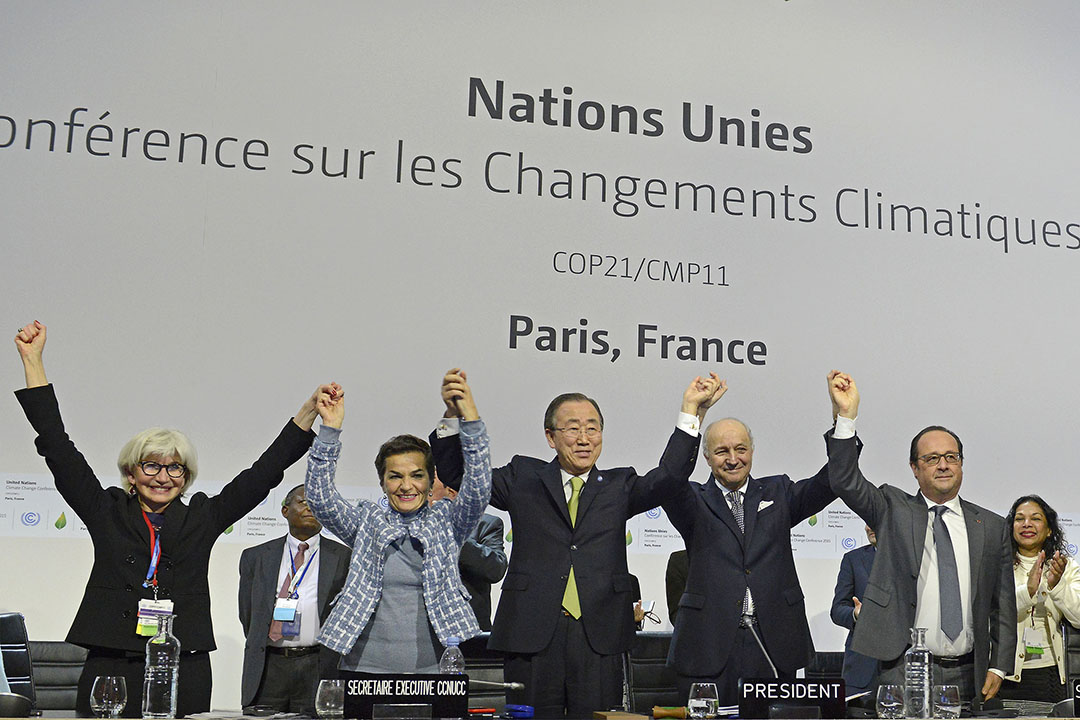
Photo credit: UN Climate Change/Hajü Staudt

Photo credit: COP28 / Christopher Pike
What climate cooperation has already achieved
Without UN-convened global climate cooperation, the world would be headed for catastrophic levels of warming – well over 4°C and up to 5°C in the worst scenarios, according to the IPCC.
Through climate cooperation under the Convention and the Paris Agreement, projected temperature increase is now around half that. The 2025 UNEP Emissions Gap Report finds that global heating of 2.3-2.5°C is now projected, based on full implementation of the latest national climate plans (Nationally Determined Contributions, or NDCs), 2.8°C based on current policies.
For the first time, global pollution projections are clearly bending the emissions curve down. Global greenhouse gas emissions are projected to fall by 12% by 2035 compared to 2019 levels, based on new NDCs, although this remains far short of the emissions reductions required to limit global heating to 1.5°C this century.
National efforts to adapt and build resilience to worsening climate impacts are also scaling up rapidly, and are being increasingly integrated into economy-wide policy-making and planning by governments.
Major milestone outcomes agreed by all Parties at recent COPs
COP 30 in Brazil in 2025 reached unanimous word-by-word agreement that: “…the global transition to low greenhouse gas emissions and climate resilience is irreversible and the trend of the future,” and that “194 countries representing billions of people have said in one voice that ‘the Paris Agreement is working’ and resolved to make it go further and faster.”
COP 30 also delivered major new global agreements on a just transition, on tripling adaptation finance, and major progress across the Action Agenda – including a trillion dollars for clean grids, major boosts to health-focused investments, new resilience measures, and a landmark new forests initiative.
COP 29 in Azerbaijan in 2024 agreed a new USD 300 billion global climate finance goal, tripling the previous goal, and charting a path to scale up finance toward USD 1.3 trillion per year by 2035, and also operationalized carbon markets under the Paris Agreement, which help support ambitious emissions cuts for governments and mobilize finance.
COP 28 in the UAE in 2023 agreed to transition away from all fossil fuels, quickly and fairly; triple renewable energy; and set adaptation targets.
COP 27 in Egypt in 2022 delivered an historic Loss and Damage Fund.
The Global Stocktake
The Paris Agreement requires that every five years a Global Stocktake takes place to assess the collective progress towards achieving its purpose and goals. The outcome of the Global Stocktake informs Parties in updating and enhancing their actions and support going forward.
The first Global Stocktake concluded in 2023 at COP 28, with a decision text called the UAE Consensus.
The Global Stocktake decision recognizes the need for deep, rapid and sustained reductions in greenhouse gas emissions in line with 1.5 °C pathways, It calls on all Parties to contribute to the following global efforts, in a nationally determined manner, taking into account the Paris Agreement and their different national circumstances, pathways and approaches:
- Tripling renewable energy capacity globally and doubling the global average annual rate of energy efficiency improvements by 2030.
- Accelerating efforts towards the phase-down of unabated coal power.
- Accelerating efforts globally towards net zero emission energy systems, utilizing zero- and low-carbon fuels, well before or by around mid-century.
- Transitioning away from fossil fuels in energy systems, in a just, orderly and equitable manner, accelerating action in this critical decade, so as to achieve net zero by 2050 in keeping with the science.
- Accelerating zero- and low-emission technologies, including, inter alia, renewables, nuclear, abatement and removal technologies such as carbon capture and utilization and storage, particularly in hard-to-abate sectors, and low-carbon hydrogen production.
- Accelerating the substantial reduction of non-carbon-dioxide emissions globally, in particular methane emissions by 2030.
- Accelerating the reduction of emissions from road transport on a range of pathways, including through development of infrastructure and rapid deployment of zero- and low-emission vehicles.
- Phasing out inefficient fossil fuel subsidies that do not address energy poverty or just transitions, as soon as possible.
UN Climate Change Executive Secretary Simon Stiell has said that, in this era of implementation, commitments must be turned into projects on the ground so that by the second Global Stocktake at COP 33, the world is on track to meet the commitments made at the first.
Learn more about the first Global Stocktake here.
Mitigating the causes of the global climate crisis
One of the keys to unlock climate action rests in decreasing the amount of emissions released into the atmosphere and in reducing the current concentration of carbon dioxide (CO2) by enhancing sinks (e.g. increasing the area of forests). Efforts to reduce emissions and enhance sinks are referred to as “mitigation.”
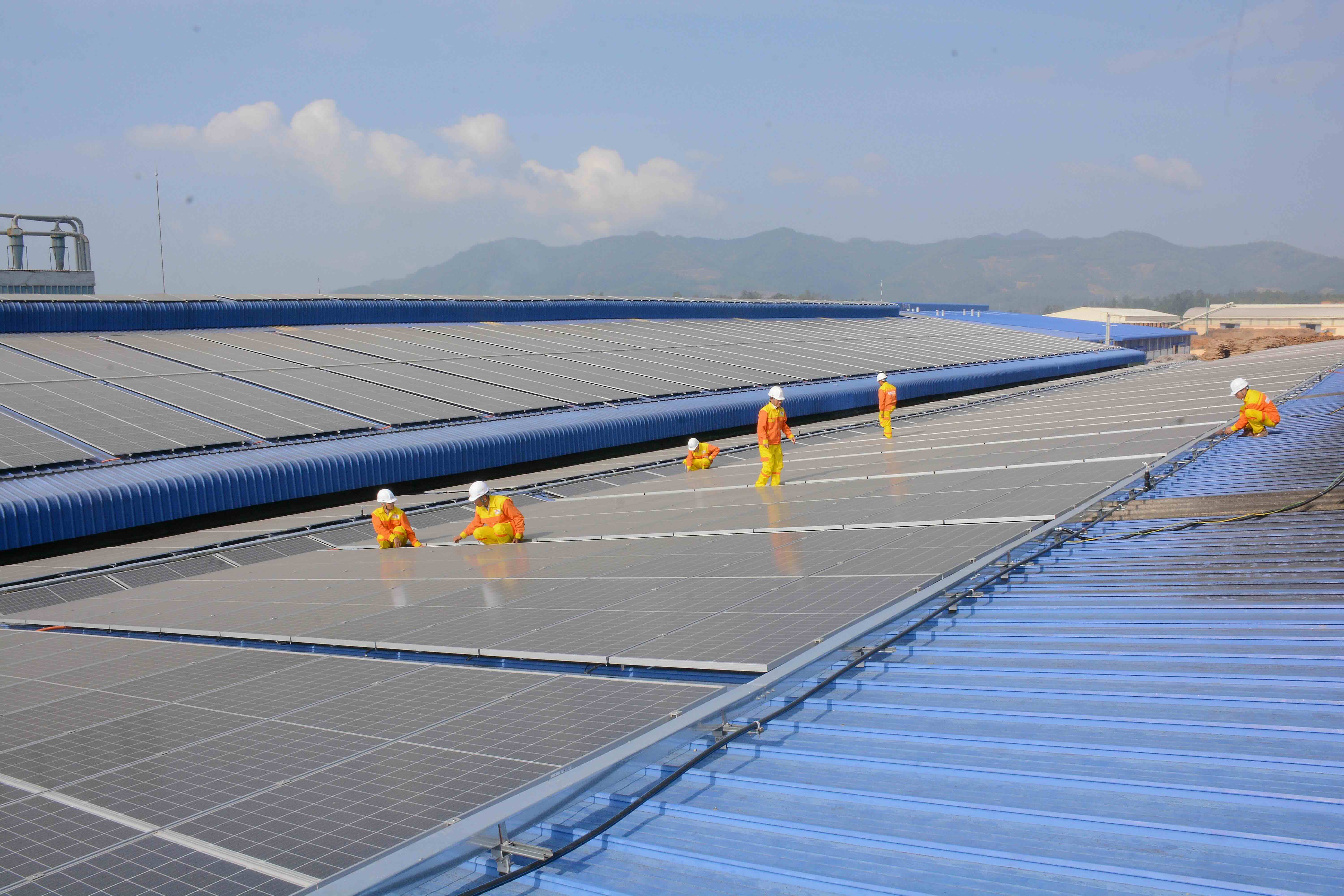
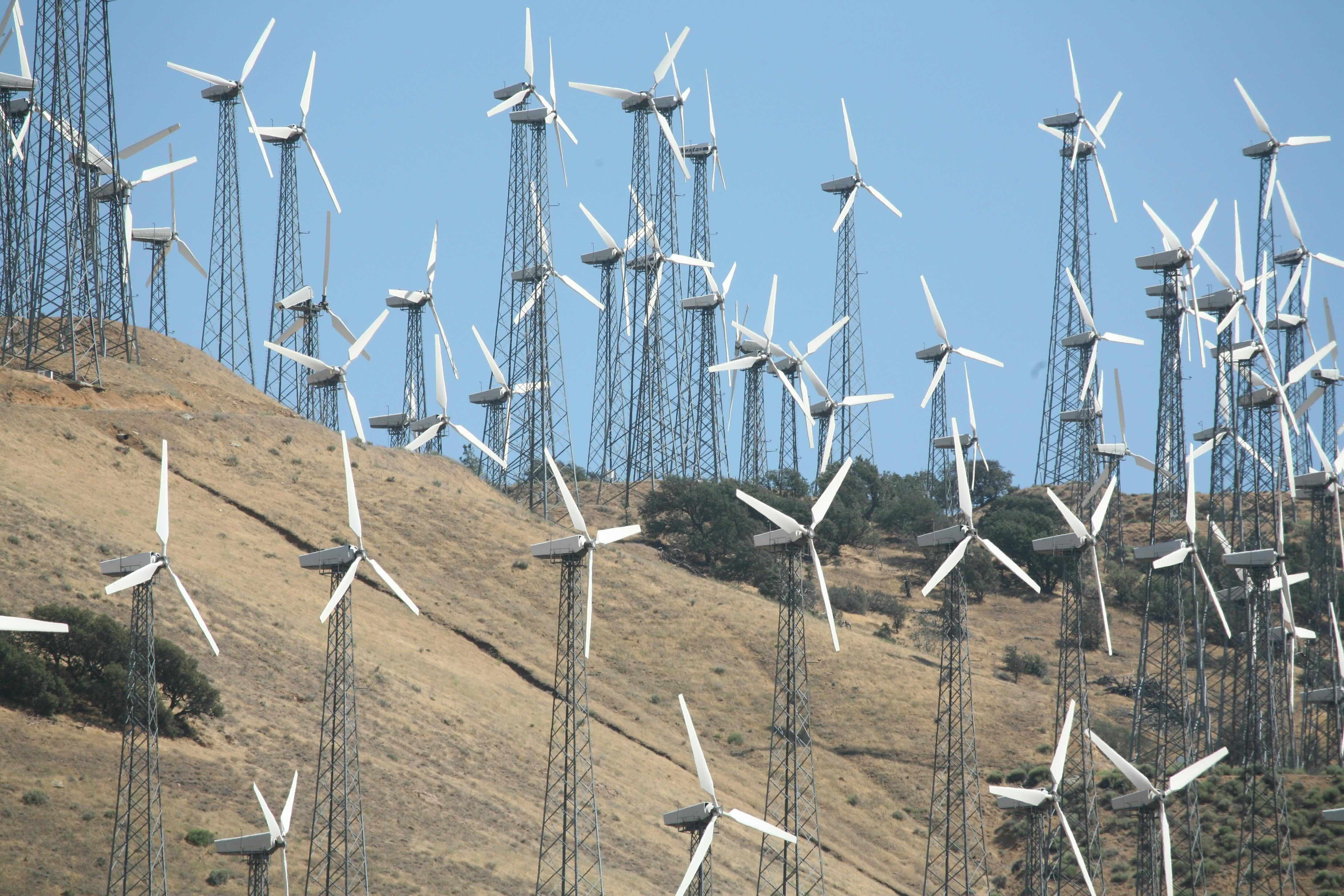
Under the UNFCCC, Parties are required to pursue mitigation programmes across all major sectors, including energy, transport, industry, agriculture, forestry, and waste, through policies, incentives, and technology deployment that make activities cleaner and more efficient. Examples include the expansion of renewable energy – particularly solar and wind power, improved energy efficiency, forest protection and reforestation.
Under the Kyoto Protocol, developed countries took on binding emission caps, while developing countries implemented specific mitigation programmes and projects, including through Nationally Appropriate Mitigation Actions (NAMAs), supported by finance and technology. The Clean Development Mechanism enabled emissions reductions achieved by projects in developing countries to count toward developed-country targets. Cooperative initiatives also addressed deforestation through Reducing Emissions from Deforestation and Forest Degradation (REDD-plus), focusing on reducing emissions, conserving forest carbon stocks, and sustainable management of forests.
Building on these earlier approaches, Article 6 of the Paris Agreement enables countries to cooperate to reduce their emissions and meet their climate targets.
Read our Quarterly Updates for the latest developments on Article 6, including the first credits issued under the PACM in 2026.
Watch this explainer video to learn more:
National climate plans – or Nationally Determined Contributions
Nationally determined contributions (NDCs) are at the heart of the Paris Agreement and the achievement of its long-term goals to cut greenhouse gas pollution, limit global temperature increase and protect against its impacts on populations and economies. An NDC is essentially a national climate plan by each country which sets out policies and targets of each country to reduce national emissions. Parties are required to prepare, communicate and maintain successive NDCs that it intends to achieve – and to increase the ambition level of the targets in their NDCs over time.
UN Climate Change’s 2025 NDC Synthesis Report shows that, for the first time, the combined policies of countries are now projected to clearly bring down global greenhouse gas emissions for the first time. The report also shows Parties are putting forward economy-wide emission reduction targets, covering all greenhouse gases, and many are going beyond mitigation to include elements related to adaptation, finance, technology, and more.
At the start of COP 30, UN Climate Change published an update to the report’s key findings, focusing on revised estimates of total global greenhouse gas (GHG) emissions in 2035. This update covered NDCs from 113 Parties, representing 69 per cent of global GHG emissions in 2019. The analysis shows that full implementation of these NDCs would cut total global GHG emissions in 2035 to around 12 per cent below 2019 levels. This marks a clear improvement compared with pre-Paris Agreement projections, which anticipated emissions increases of 20-48 per cent by 2035.
However, the findings also make clear that much faster, deeper and wider cuts to greenhouse gas emissions are still needed to keep the temperature goals of the Paris Agreement within reach this century, and in doing so, to avert the worst human and economic costs of global heating. Scaled-up support particularly to vulnerable and developing countries will be vital going forward.
Long-term low-emission development strategies (LDCs) complement NDCs by charting pathways consistent with the Paris Agreement’s temperature goals. NDCs and long-term strategies feed into the five-year Global Stocktake cycle, which assesses collective progress and guides the next cycle of contributions. This iterative approach – sometimes referred to as ‘the ratchet mechanism’ – was a specific design feature of the Paris Agreement to ensure it is dynamic, flexible, and continuously improving over time, recognizing that levels of ambition in national targets as well as implementation of pledges, would need to increase over time to meet temperature goals.
Watch our explainer video here:
Adapting to climate impacts
Adaptation involves adjusting natural and human systems in response to climate impacts, moderating harm. Many adaptation measures designed to build resilience to climate impacts also present major co-benefits and opportunities to strengthen communities, economies and societies. Examples of adaptation and resilience-building measures include flood defenses, drought-resistant crops, social protections or planning reforms.
Climate risks and impacts differ by region, underscoring the need for adaptation measures to be context-specific, integrating scientific, local, and indigenous knowledge.
Climate impacts also frequently hit the most vulnerable regions and societal groups hardest, imposing outsized human and economic costs of those with the least resources to protect themselves. The IPCCs landmark report on climate impacts in 2022 found that almost half of humanity live in areas of high climate vulnerability – where people are 15 times more likely to die from climate impacts. These areas are located in primarily in the world’s lowest income geographies, which typically have contributed the least to global heating due to much lower real and per capital greenhouse gas emissions, particularly compared to G20 economies which collectively are responsible for well over 80% of global emissions.
Under the Convention, Parties began addressing adaptation systematically in 2001 through the Marrakesh Accords, which established the Least Developed Countries Fund and Expert Group (LEG) and launched National Adaptation Programmes of Action (NAPAs). Later frameworks, such as the Cancun Adaptation Framework (2010) and the Adaptation Committee, increased the coherence of adaptation measures. The Nairobi Work Programme improves information exchange and good practices.
The Paris Agreement elevated adaptation by establishing, under Article 7, a global goal to boost adaptive capacity, strengthen resilience, and reduce vulnerability.
At COP 28 in 2023, Parties adopted the UAE Framework for Global Climate Resilience under, as part of the UAE Consensus. The framework includes a range of thematic and dimensional targets for climate adaptation and resilience.
The Belém Adaptation Indicators were adopted at COP 30 in 2025, establishing a common framework to assess progress towards the global goal on adaptation. While this does not mark the end of the work needed on this front, Parties will be able to begin using the indicators, supported by the Belém-Addis vision on adaptation, with a view to enabling greater policy coherence and alignment going forward.
CLIMATE FINANCE
Climate finance is a crucial enabler of stronger climate actions at scale, to drive down greenhouse gas pollution and build resilience to worsening climate impacts.
Climate finance typically refers to the provision and mobilization of funds from public, private, and alternative sources to support mitigation and adaptation, particularly in developing countries. The Convention, the Kyoto Protocol, and the Paris Agreement recognize that those with greater financial capacity and historical responsibility for the causes of climate change – in particular greenhouse gas emissions - have a responsibility to assist others. Financial resources are essential for clean energy transitions, resilient infrastructure, and risk reduction measures.
To facilitate the provision of climate finance, the Convention established a financial mechanism to provide financial resources to developing country Parties. The financial mechanism also serves the Kyoto Protocol and the Paris Agreement. The Global Environment Facility (GEF) has served as an operating entity of the financial mechanism since the Convention’s entry into force in 1994. In 2010, Parties established the Green Climate Fund (GCF) and in 2011 also designated it as an operating entity of the financial mechanism. Two special funds, the Least Developed Countries Fund (LDCF) and the Special Climate Change Fund (SCCF), also operate under the GEF, while the Adaptation Fund, created under the Kyoto Protocol, finances specific projects and programmes. The Standing Committee on Finance (SCF), created in 2010, enhances coordination, prepares biennial assessments of finance flows, and convenes forums to strengthen coherence.
At COP29 in 2024, Parties agreed a new collective quantified goal of at least USD 300 billion per year by 2035, alongside a call on all actors to work together to enable the scaling up financing to at least USD 1.3 trillion per year by 2035 for developing countries for climate action.
At COP 30, the Mutirão decision called for the tripling of adaptation finance by 2035, recognizing the urgent need to scale up support for vulnerable countries facing escalating climate impacts. UN Climate Change Executive Secretary Simon Stiell has frequently stated that climate finance is a vital element of delivering climate justice – particularly to those populations who did least to cause the global climate crisis. At the same time, he has reinforced that climate finance is not charity; it is a crucial investment in ensuring the resilience of economies, societies and the global supply chains that every economy relies on for stability and low-inflationary growth.

Transparency: a vital enabling tool
Transparency refers to the reporting and review of relevant climate information and data, and is a vital enabling tool to keep track of global and national progress combating the climate crisis. It also provides a vital evidence base to enable governments at all levels and real economy actors - including businesses, investors and sectoral organisations - to make informed planning and investment decisions, design stronger climate policies over time, attract climate finance and achieve broader development and economic goals.
Transparency arrangements under the Convention enable the availability of regular data on countries’ GHG emissions, policies and measures, progress towards targets, climate change impacts and adaptation, as well as levels of financial, technical and capacity-building support and related needs.
By providing clear and robust data and information on climate action, transparency underpins trust, credibility and progress under the Paris Agreement, while also connecting climate policy with real-world implementation – offering insights that are essential for translating ambition into real world outcomes.
The Convention established reporting obligations for all Parties, including national communications and greenhouse gas inventories. Annex I Parties also submit Biennial Reports detailing mitigation progress and support provided, while non-Annex I Parties submit Biennial Update Reports, with flexibility and support for capacity constraints. These reports are subject to expert review and multilateral consideration.
The Kyoto Protocol added legally binding reporting and a compliance system, including expert review teams and a Compliance Committee to verify adherence to commitments. The Cancun and Durban decisions further strengthened measurement, reporting, and verification through the International Assessment and Review (IAR) process for developed countries and International Consultation and Analysis (ICA) for developing countries.
The Paris Agreement replaced earlier systems with an Enhanced Transparency Framework (ETF) for all Parties, requiring Biennial Transparency Reports (BTRs) at least every two years. The first BTRs were due by 31 December 2024 and submissions began in late 2024 and 2025. The first BTR Synthesis Report was published in late 2025, showing that Parties are increasingly adopting stronger policies, new institutional arrangements, and whole-of-society approaches that are driving change in the real economy.
The ETF underpins the Global Stocktake cycle, ensuring clarity, comparability, and trust in collective climate action.
Reasons why transparency is essential for climate action
Just Transition
The landmark agreement by all Parties at COP 30 in 2025 to develop a just transition mechanism represents a major breakthrough.
By anchoring just transition within the institutional framework of the Paris Agreement, Parties sent a powerful signal: just transition is not ancillary to climate ambition – it is integral to delivering it. The mechanism offers a unique opportunity for the intergovernmental climate process to support countries as they shape and deliver their own transition pathways – pathways that reflect national circumstances while ensuring fairness, dignity and opportunity for all.
The decision makes clear that climate action must be rights-based, inclusive and equitable, tailored to national circumstances, and – above all – people-centred.
This is not an abstract principle. It is central to making climate action relevant and credible to workers, communities, Indigenous Peoples, women and youth, and to the billions of people around the world whose lives and livelihoods are directly affected by the choices we make.
Global Climate Action Agenda
The fast lanes of the Paris Agreement
The Global Climate Action Agenda is equally a vital part of implementing the Paris Agreement, helping Parties deliver on NAPs and NDCs. The Action Agenda brings together governments, businesses, and communities to deliver faster, real-world action which help ensure all Parties are able to share equitably in the vast human, economic and societal benefits of stronger climate actions.
Elevating the Action Agenda to share center-stage with negotiations is vital to picking up the pace – to harnessing and accelerating real-economy momentum to deliver on climate commitments.
Initiatives and agreements reached as part of the Action Agenda are voluntary for Parties and other entities to join. As a result, the Action Agenda provides pathways for nations, businesses, sectors and communities who are willing and able to take faster, bolder and wider climate actions, relative to what other nations or entities may be willing or able to take. In this way, the Action Agenda works side-by-side with the negotiations process at COPs in which decisions are required to be taken by consensus – meaning all Parties must agree to all aspects of proposed decision texts put forward by the Presidency – typically, the host country of each COP - in consultation with all Parties.
The Action Agenda helps government – working with real economy leaders – to design climate plans rooted in practical solutions that cut emissions and strengthen resilience. It is helping governments unlock jobs, investment, cleaner air, and more secure, affordable energy.
Since adoption of the Paris Agreement, global climate action has been encouraged and facilitated under the banner of the Marrakech Partnership for Global Climate Action, which was agreed in Morocco at COP 22 in 2016 and acknowledged at subsequent Conferences of the Parties. The Partnership brings together stakeholders working in key sectors and themes to spur enhanced climate ambition and action, and then recognizes that action, to inspire sill greater effort.
All recent COPs have delivered significant real-world progress through the Action Agenda. Most recently, COP 30 delivered an impressive scorecard of real-world climate actions that will also mean stronger economies, more jobs and better lives for many millions.
- A trillion-dollar charge into the clean energy and grids.
- A global plan to quadruple sustainable fuel.
- Moves to unlock new waves of green industry.
- The pipeline for new adaptation investment, among many others.
Important, COP 30 under the Presidency of Brazil organized the work of the Action Agenda under six sectoral axes, designed to align with the Global Stocktake cycle under the Paris Agreement:

Transitioning Energy, Industry, Transport

Stewarding Forests, Oceans, and Biodiversity

Transforming Agriculture and Food Systems

Building Resilience for Cities, Infrastructure and Water

Fostering Human & Social Development

Unleashing Enablers and Accelerators Including on Financing, technology and Capacity-Building
This important development is helping to bring the progress and acceleration being delivered through the Action Agenda closer together with the negotiated elements of each COP.
Science
The foundation of UN-convened global climate cooperation
The most rigorous and globally agreed science provides the foundation for understanding climate change and informing policies, negotiations and real economy actions under the Convention, the Paris Agreement and the Kyoto Protocol.
Science supports every aspect of UN-convened global climate multilateralism and the national actions it has given rise to: setting targets, guiding adaptation, improving transparency, and enabling informed negotiation. It offers consensus-based, policy-relevant but non-prescriptive information.
The Intergovernmental Panel on Climate Change (IPCC) was set up in 1988 by the World Meteorological Organization (WMO) and the United Nations Environment Programme (UNEP) to provide policymakers with regular assessments of the scientific basis of climate change, its impacts, future risks and adaptation and mitigation options.
The Intergovernmental Panel on Climate Change (IPCC) assesses global research and issues comprehensive assessment reports, special reports, and methodologies for greenhouse gas inventories.
The IPCC periodically publishes its Assessment Reports, which have come to form a powerful empirical basis for strengthened global and national climate actions under the UN-convened multilateral climate process.
The IPCC’s sixth assessment cycle produced landmark global reports which have served as a powerful empirical evidence base and clarion call for stronger climate action. The UN Secretary-General at the time of these reports in 2021 described key reports as a “code red for humanity” and an “atlas of human suffering” in respect of worsening climate impacts, hitting vulnerable groups hardest.
The Convention encourages research, systematic observation, and cooperation with international programmes. The Subsidiary Body for Scientific and Technological Advice (SBSTA) facilitates dialogue between scientists and policymakers through annual research discussions. Periodic reviews of the long-term global goal have informed Parties’ decisions, contributing, for example, to global and explicit recognition at several recent COPs by all Parties to the Paris Agreement of the urgent need to limit temperature increase to 1.5 °C target this century.
Unpacking the science
UN-convened global climate cooperation is built on a clear understanding of the threats posed by, and the causes of global heating. More than a century and a half of industrialization, along with the clear-felling of forests and certain farming methods, has led to increased quantities of greenhouse gases (GHGs) in the atmosphere, primarily from burning enormous quantities of fossil fuels, particularly coal, oil and gas. There are some basic well-established scientific links:
- The concentration of GHGs in the earth’s atmosphere is directly linked to the average global temperature on Earth;
- The concentration has been rising steadily, lifting mean global temperatures along with it.
As a consequence, there is need to take action to reduce greenhouse gas emissions and enhance sinks, and to adapt to the worsening impacts of a heating world.
On average during 2011–2020, the planet was about 1.09 °C warmer than in 1850–1900. The ocean has absorbed most of this extra heat, snow and ice have declined, and global sea level has risen by roughly 20 centimeters since 1901, with the rise accelerating in recent decades. Arctic sea ice has decreased significantly.
What happens next depends on how quickly the world reduces greenhouse gas pollution. By 2100, compared with 1850–1900, a very low-emissions pathway would lead to around 1.4 °C of warming, an intermediate pathway to around 2.7 °C, and a very high-emissions pathway to around 4.4 °C.
Sea level will continue to rise in all cases because oceans and ice sheets respond slowly to temperature changes. By 2100, this rise is projected to be roughly 30 to 60 centimeters in a very low-emissions world and around 60 centimeters to about one meter in a very high-emissions world. This means more frequent and chronic flooding, accelerated coastal erosion and displaced populations. Even with strong emission reductions, some changes such as deep-ocean warming, melting ice sheets and sea-level rise will continue for centuries to millennia.
AR6 also provides new estimates of how much carbon dioxide humanity has emitted and how much more can be released if we want to limit future warming. Cumulative human-caused CO₂ emissions from 1850 to 2019 are about 2,390 gigatons. Starting from 2020, the remaining CO₂ budget for a 50 percent chance of limiting warming to 1.5 °C is about 500 gigatons, and this budget is reduced each year emissions continue. Pathways that keep warming close to 1.5 °C reach global net-zero CO₂ in the early 2050s, while those that limit warming to around 2 °C reach net-zero in the early 2070s.
While more recent scientific updates have shown a temporary breach of the 1.5 °C goal is now near certain, the scientific evidence is equally clear that global temperatures can and must be brought back down to 1.5 °C after any temporary overshoot. There is also a vast evidence base of globally agreed data showing that the impacts of temperature increase rise rapidly in severity and cost for every nation, with every fraction of a degree over 1.5 °C.
Accordingly, every nation at COP 30 – nearly 200 – agreed explicitly and unanimously that 1.5 °C remains unequivocally the world’s agreed temperature goal, and that the Paris Agreement is working, but together nations will work to make it go further and faster.
Alongside this physical science assessment from Working Group I, Working Group II analyses impacts, risks and ways to adapt, and Working Group III examines how emissions can be reduced across sectors such as energy, transport, industry, land use and cities.
Together, the reports from the three working groups conclude that deep, rapid and sustained cuts to greenhouse gas pollution across all areas of human activity are needed this decade and beyond to limit global warming and reduce the growing risks already being observed.
Science: The State of the Climate
The World Meteorological Organization (WMO) issues a statement on the state of the global climate every year. It is based on multiple international datasets maintained independently by global climate analysis centers and information submitted by WMO Members’ National Meteorological and Hydrological Services and Research Institutes and is an authoritative source of reference.
A global crisis requiring global cooperative solutions
Climate change is inherently global in nature. The emissions of long-lived GHGs into the atmosphere from sources anywhere on the globe will affect atmospheric concentrations. As the dynamics of the climate system are globally integrated, the potential impacts of climate change can affect all parts of the globe. Human emissions of GHGs occur primarily from the production and use of energy by businesses, governments, and individuals, and from land use, these are all activities that are essential for modern life and for raising the standard of living for people everywhere.
The composition of the world’s atmosphere is impacted by GHG emissions for countries around the world, and the effects of those changes affect everyone. Hence, there is motivation and need for collective, global action under the UNFCCC – global action that calls for decision making at many levels: international – through intergovernmental organizations (IGOs) and process – regional, national, sub-national, and local – including by local governments, individuals, communities, multinational firms and local enterprises.