Overview of the LAKI by Subregion
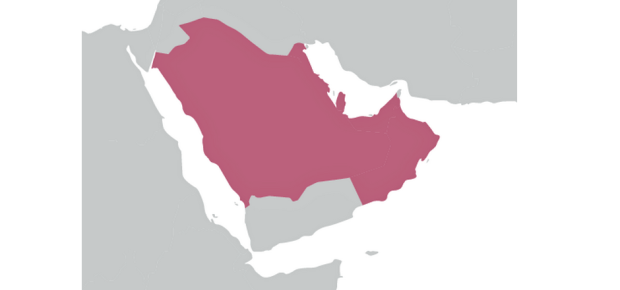
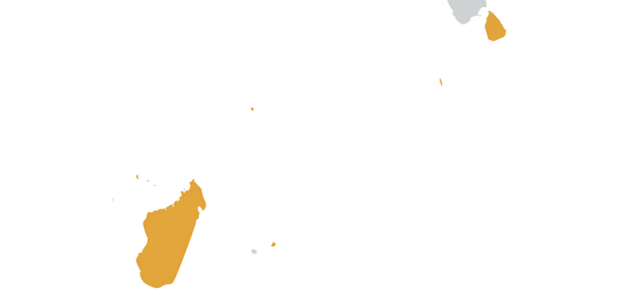
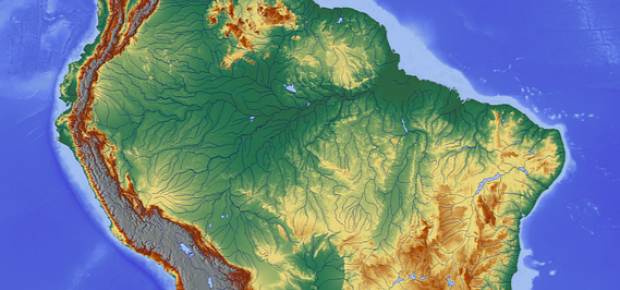
The UNFCCC secretariat and UNEP (through Global Adaptation Network), in partnership with sub regional coordination entities, have convened seven priority-setting workshop with experts, one for each subregion. The workshops covered a total of 52 countries including 17 small islands developing States (SIDS), 11 least developed countries (LDCs), and 13 African countries. A total of 150 priority adaptation knowledge gaps for targeted knowledge users have been identified through a systematic methodology spanning seven subregions. These have been organized by subregion, thematic area, and cluster (knowledge type) to allow stakeholders to pinpoint synergies and design more efficient, cost-effective responses.
Several actions have been undertaken in collaboration with global and regional centres and networks, universities and NWP partners to address adaptation knowledge gaps for the targeted knowledge users in various countries and subregions.