Climate Action and Support Transparency Training (CASTT) - Adaptation Academy
CASTT homepage picture
Credit: Photo by Camylla Battani on Unsplash

The UNFCCC secretariat organizes the CASTT Adaptation Academy in collaboration with relevant regional and international partner organizations, delivering tailored training for Africa, Asia and the Pacific, and Latin America and the Caribbean.

The Academy's primary goal is to support a systematic, generational step-change in capacity to meet the ambitions of the Paris Agreement, including to strengthen the technical capacity of developing countries in conducting vulnerability and adaptation assessments, formulating plans and policy frameworks, improving cross-ministerial coordination to address climate change effectively, and voluntary reporting on adaptation in biennial transparency reports (BTRs) under the enhanced transparency framework (ETF).

Past events have covered a wide range of topics, including adaptation planning, policy frameworks, coordination across ministries and governance levels, working with the private sector, finance and cost-benefit analyses, vulnerability and risk assessments, ecosystems, infrastructure, transboundary considerations, and social, gender, and cultural equity issues, as well as sector-specific themes such as agriculture, disaster risk reduction, energy, cities, and coastal and mountainous regions.

Who is the target audience?

The Academy targets professionals and experts from developing countries who provide technical input for their country's MRV and ETF reporting, with a specific focus on adaptation.

Since its launch in 2021, 10 rounds of Adaptation Academy have been organized:

Years Regions Dates Event location Other info
2026 Asia and Pacific 25 to 28 August Jeju, Republic of Korea  
2026 Africa 18 to 12 August Nairobi, Kenya  
2025 Asia and Pacific 25 to 29 August  Jeju, Republic of Korea  
2025 Latin America and the Caribbean 1 to 4 April  Lima, Peru  
2024 Asia and Pacific 30 September to 4 October Bangkok, Thailand  
2024 Africa 22 to 26 April  Pretoria, South Africa   
2023 Global 21 December Webinar Webinar on Strategic Approaches to Adaptation Reporting under the ETF, recording of the webinar is available here
2022 Global 10 to 28 October Delft, The Netherlands  
2021 Asia and Pacific 11 to 15 October Online  
2021 Latin America and the Caribbean 27 September to 1 October Online  


2026 group photo Adaptation Academy Africa region
Credit: UN Climate Change

The 2026 CASTT Adaptation Academy for Africa was held from 18 to 21 August 2026 in Nairobi, Kenya. The Academy was organized by the UNFCCC secretariat, hosted by the Regional Centre for Mapping of Resources for Development (RCMRD), and delivered in collaboration with the Capacity-building Initiative for Transparency – Global Support Programme (CBIT-GSP), the Food and Agriculture Organization of the United Nations (FAO), IHE Delft Institute for Water Education and the United Nations Development Programme (UNDP). It brought together 20 participants from 16 African developing country Parties, alongside experts and representatives from the partner organizations.

The four-day programme provided a structured and practical walkthrough of adaptation reporting under the enhanced transparency framework (ETF). It began with the broader context of adaptation in Africa, transparency arrangements, adaptation reporting and lessons from the first BTRs, before moving into the development and use of monitoring, evaluation and learning (MEL) systems and the preparation of adaptation information across the different sub-sections of the Adaptation BTR, including loss and damage information. Sessions also covered testing Belém Adaptation Indicators in national monitoring and reporting, the technical expert review (TER) and facilitative, multilateral consideration of progress (FMCP), action planning for future adaptation reporting, and available support for transparency and adaptation reporting.

The Academy featured interactive peer learning and exchange. Participants shared national experiences and challenges, worked through practical exercises and country examples, and exchanged approaches for strengthening institutional coordination, data collection, indicators and reporting systems.

For more information, please see the agenda of the Academy.

Logo copyrights belong to their respective organizations
Credit: Logo copyrights belong to their respective organizations


2026 group photo Adaptation Academy AP region
Credit: UN Climate Change

The 2026 CASTT Adaptation Academy for Asia and the Pacific was held from 25 to 28 August 2026 at UNITAR CIFAL Jeju, Republic of Korea. The Academy was hosted by the Ministry of Climate, Energy and Environment of the Republic of Korea and organized by the Korea Environment Institute – Korea Adaptation Center for Climate Change (KEI KACCC), UNITAR CIFAL Jeju / Jeju International Training Center (JITC), UNFCCC secretariat, and UNEP Copenhagen Climate Centre (UNEP CCC). It brought together 19 participants from 15 Asia and Pacific developing country Parties, alongside experts and representatives from the partner organizations.

The four-day programme progressed from the broader context of climate change adaptation and transparency under the ETF to practical aspects of preparing stronger adaptation reporting. Sessions addressed the Paris Agreement and the enhanced transparency framework; adaptation reporting in BTRs; AI- and data-driven approaches to BTR preparation; loss and damage in BTRs; reporting adaptation progress and results using evidence, indicators and narrative; and improving coherence across BTRs, NAPs and other adaptation-related instruments. The programme also drew on Korea’s experience with its NAP and full BTR cycle.

Practical learning was a central element of the Academy. Participants took part in a guided review of adaptation information in BTRs, hands-on workshops on drafting adaptation information and improving its clarity, consistency and review-readiness, and a mock TER exercise. Country experience sharing and an alumni mentor session complemented these activities. The programme also included field learning in Jeju, providing participants with an opportunity to connect technical discussions with local climate and adaptation contexts.

For more information, please see the agenda of the Academy .


Logos of partners for 2026 CASTT Adaptation Academy for Asia and Pacific
Credit: AA Partner Logos


Logos of Partners
Credit: Logo copyrights belong to their respective organizations.

The UNFCCC-CASTT Adaptation Academy in Asia and the Pacific 2025 took place from 25–29 August 2025 at UNITAR CIFAL Jeju, Republic of Korea, hosted by the Ministry of Environment of Korea with UNFCCC, RCC Asia-Pacific, KEI, UNITAR CIFAL Jeju/JITC, and UNEP Copenhagen Climate Centre. The Academy gathered 25 officials and experts from the region under the theme “Climate Transparency and Adaptation Action: Building capacity on adaptation reporting through BTR1 experiences.” Over five days of technical sessions, peer exchanges, and a field trip, participants reviewed lessons from the first Biennial Transparency Reports (BTRs), identified best practices, and developed strategies to strengthen adaptation reporting under the Paris Agreement. The Academy enhanced technical skills, deepened understanding of linkages between NAPs, NDCs, and BTRs, and fostered a regional network for continued collaboration. Participants completing all requirements received a joint Certificate of Completion from the organizers.

The training aimed to build technical skills for adaptation assessments, planning, policy development, and coordination across ministries and governance levels to address climate change. With the first Biennial Transparency Reports (BTRs) submitted by the end of 2024, it will help review BTR1 experiences, highlight best practices and lessons learned, and guide improvements for future adaptation reporting.

For more information or enquiries, please contact the UNFCCC CASTT Adaptation Academy Asia and the Pacific Programme or email: cifaljeju.jitc.env@gmail.com.

Workshop Material

Participants of 2025 Asia Adaptation Academy
Credit: UN Climate Change
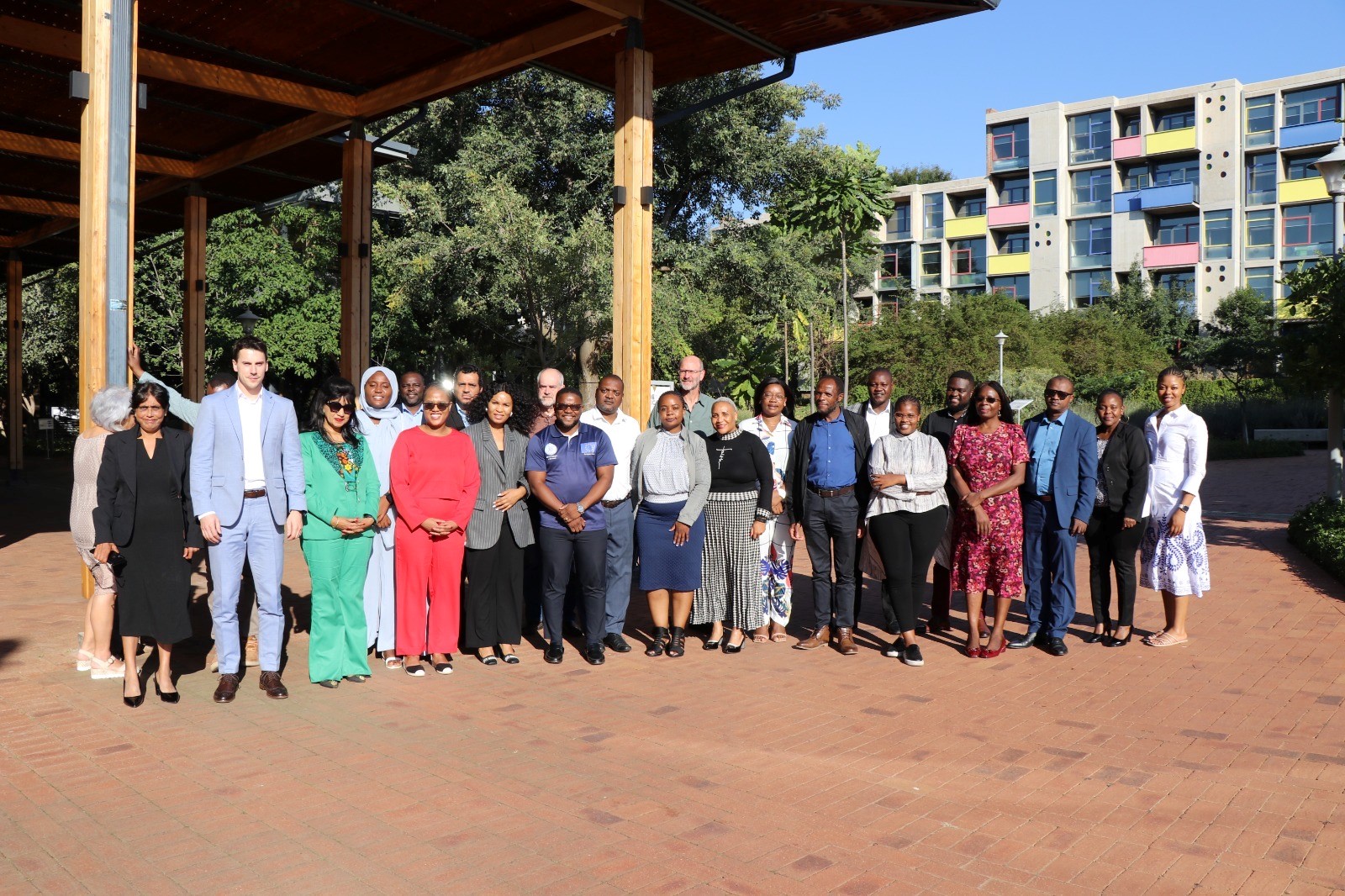
 

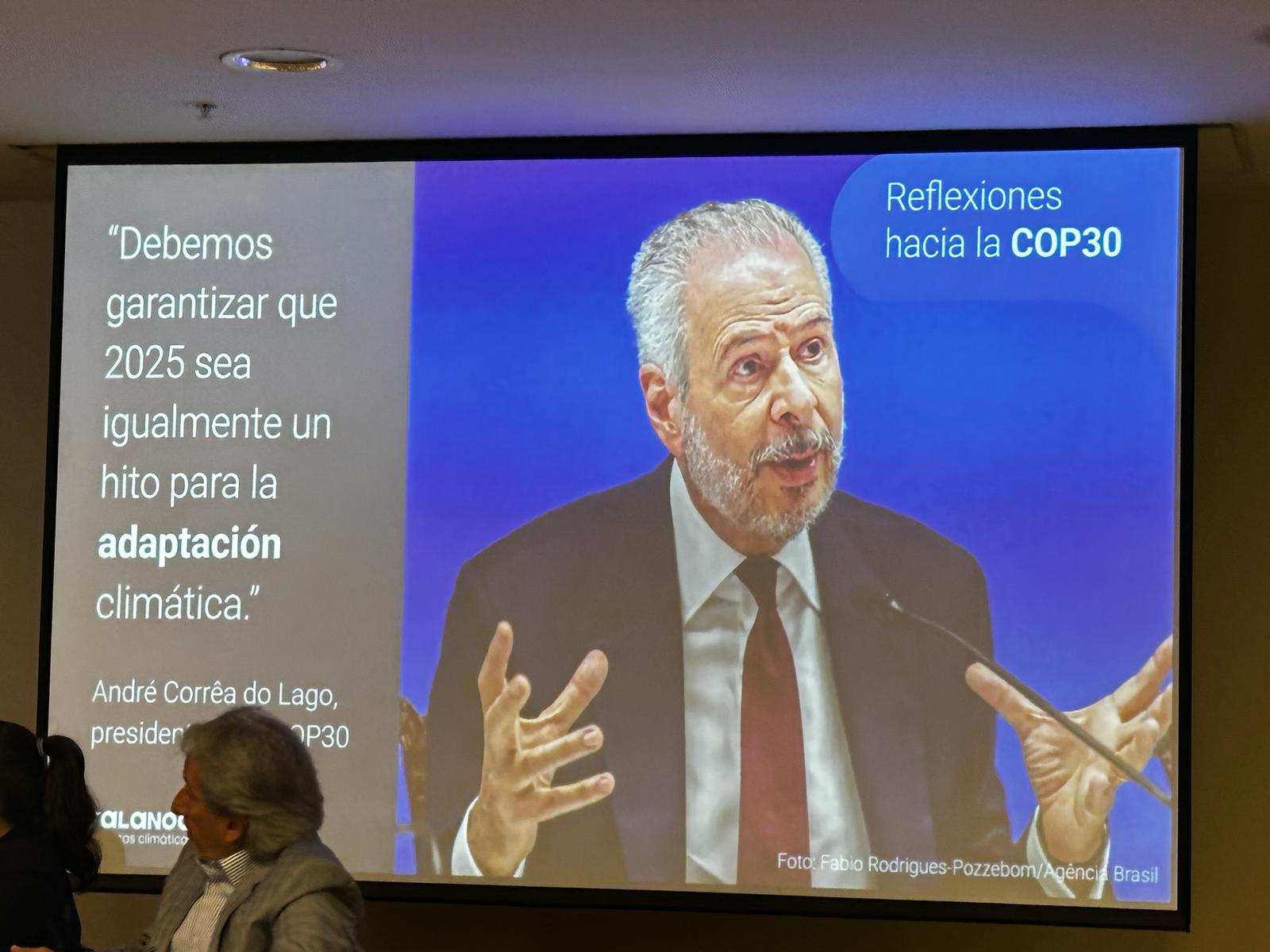
The CASTT AA for LAC region pic1
Credit: UN Climate Change
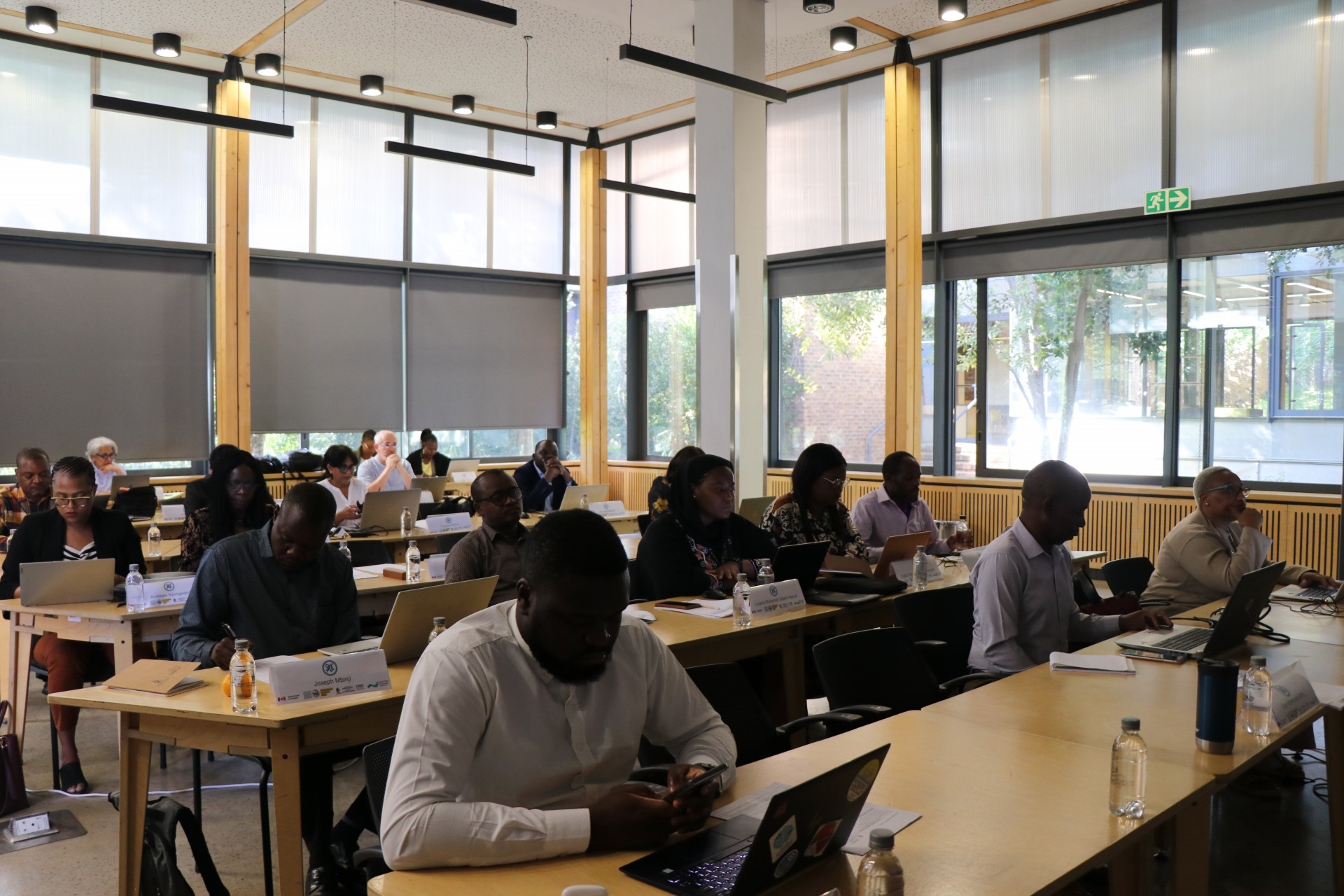
Workshop Materials
Agenda
Presentation
LinkedIn


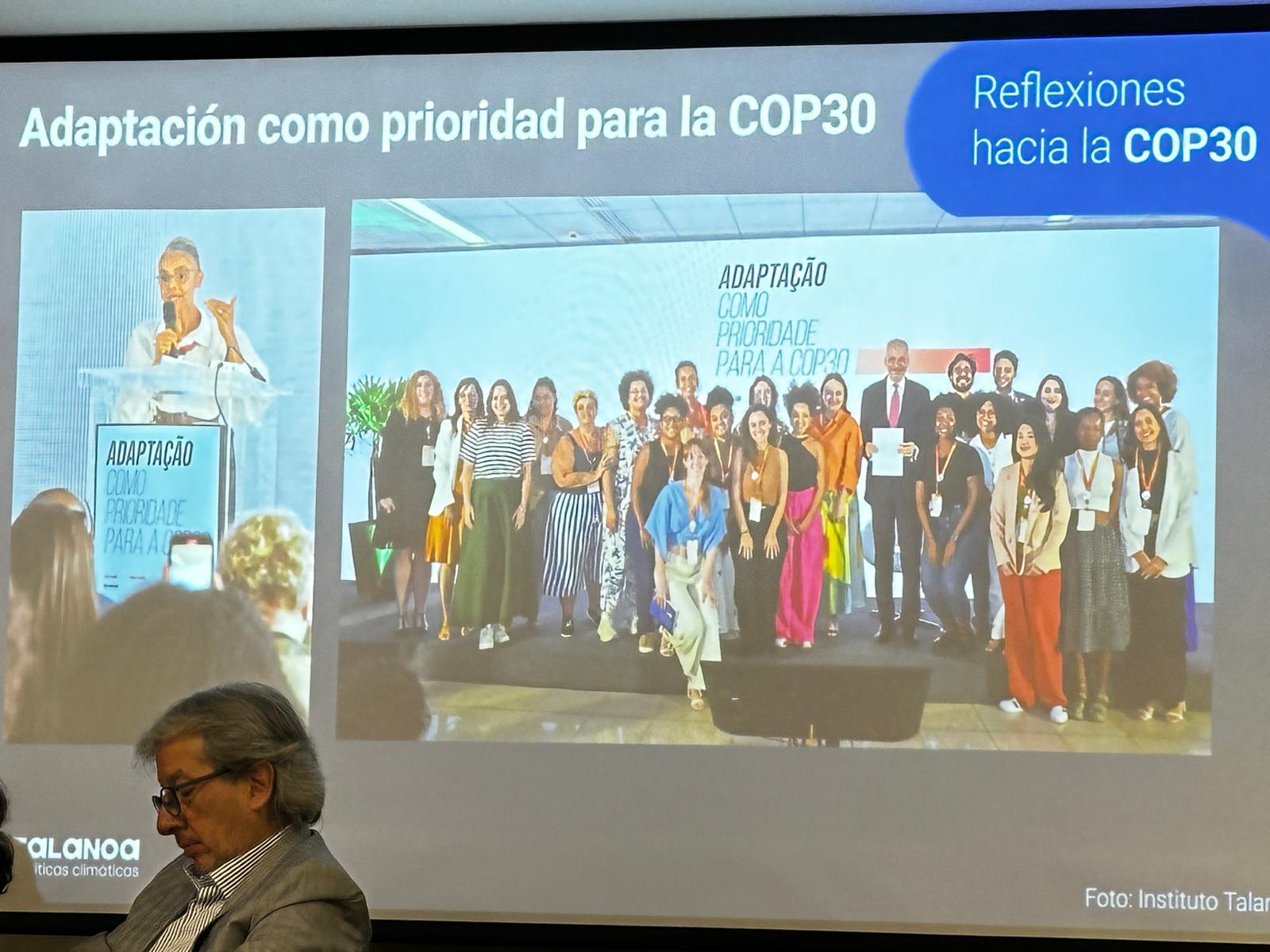
The CASTT AA for LAC region pic2
Credit: UN Climate Change
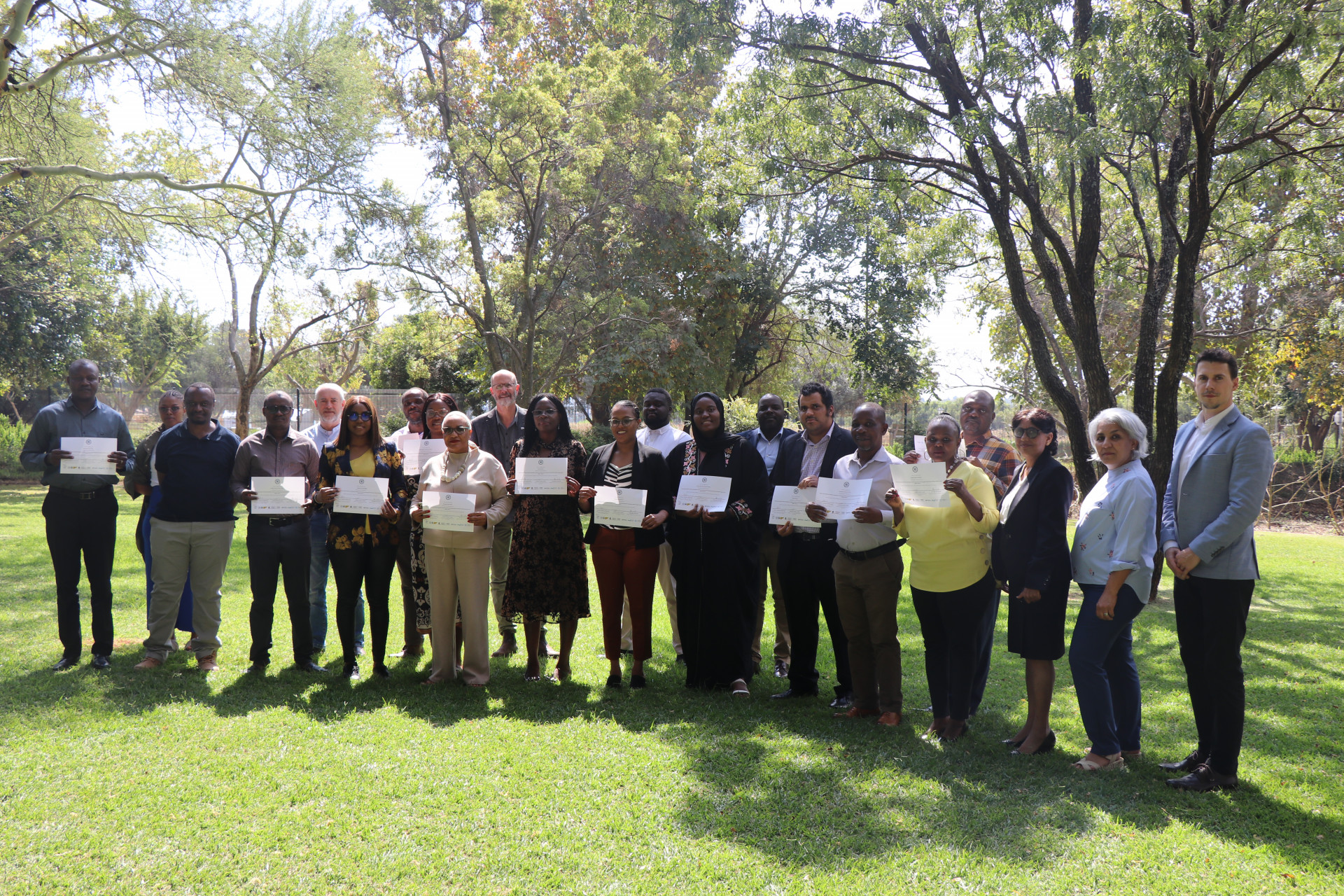
The CASTT AA for LAC region pic3
Credit: UN Climate Change
The CASTT AA for LAC region pic4
Credit: UN Climate Change
The CASTT AA for LAC region pic5
Credit: UN Climate Change
The CASTT AA for LAC region pic6
Credit: UN Climate Change
2024 CASTT - Asia pic1
Credit: UN Climate Change

UNFCCC-CASTT Adaptation Academy in Asia: Empowering Climate Adaptation Reporting Across the Region

The UNFCCC-CASTT Adaptation Academy in Asia, held from 30 September to 4 October 2024 in Bangkok, Thailand, marked a significant milestone in building the capacity of national experts and stakeholder to meet their climate reporting obligations under the Enhanced Transparency Framework (ETF). Co-organized by the Korea Environment Institute (KEI), Korea Adaptation Center for Climate Change (KACCC), the Asian Institute for Technology (AIT), UNEP and UNDP, as well as the RCC Bangkok and UNFCCC Secretariat, the Academy brought together more than 20 participants from across Asia to enhance their understanding of reporting on climate change impacts and adaptation, and enhance their skills and technical knowledge in preparing the first Biennial Transparency Reports (BTRs).

Driving Climate Transparency

Focused on the theme “Climate Transparency and Adaptation Action: Preparing BTRs under the ETF and Assessing Adaptation,” the Academy provided participants with comprehensive technical knowledge through hands-on sessions, interactive exercises, and country-specific case studies. As the deadline for the first BTR submission approaches in December 2024, the Academy played a crucial role in helping countries prepare high-quality reports that reflect their national circumstances and adaptation priorities.

Paul Desanker, Manager of the UNFCCC’s Adaptation Division, emphasized in his opening remarks that “this Academy represents a vital step in ensuring that adaptation reporting aligns with global climate goals while recognizing the unique challenges faced by developing countries.”

As countries in the Asia region move closer to the 2024 BTR submission deadline, the outcomes of this Academy will play a pivotal role in shaping their adaptation reporting strategies. With the technical skills gained during the Academy, participants are better equipped to align their national adaptation efforts with global climate commitments under the Paris Agreement.

The UNFCCC-CASTT Adaptation Academy has not only enhanced participants' understanding of the ETF but has also empowered them with practical, actionable strategies that will strengthen their countries' capacity to address climate adaptation challenges. As we look ahead, the success of the Asia Academy will serve as a model for future capacity-building initiatives in other regions, reinforcing the importance of transparency in the global fight against climate change.

The full article is available here: https://www4.unfccc.int/sites/transparency/Lists/News/DispForm.aspx?ID=119

2024 CASTT - Asia pic2
Credit: UN Climate Change
Content